


Case Study
Success Story: Region of Waterloo
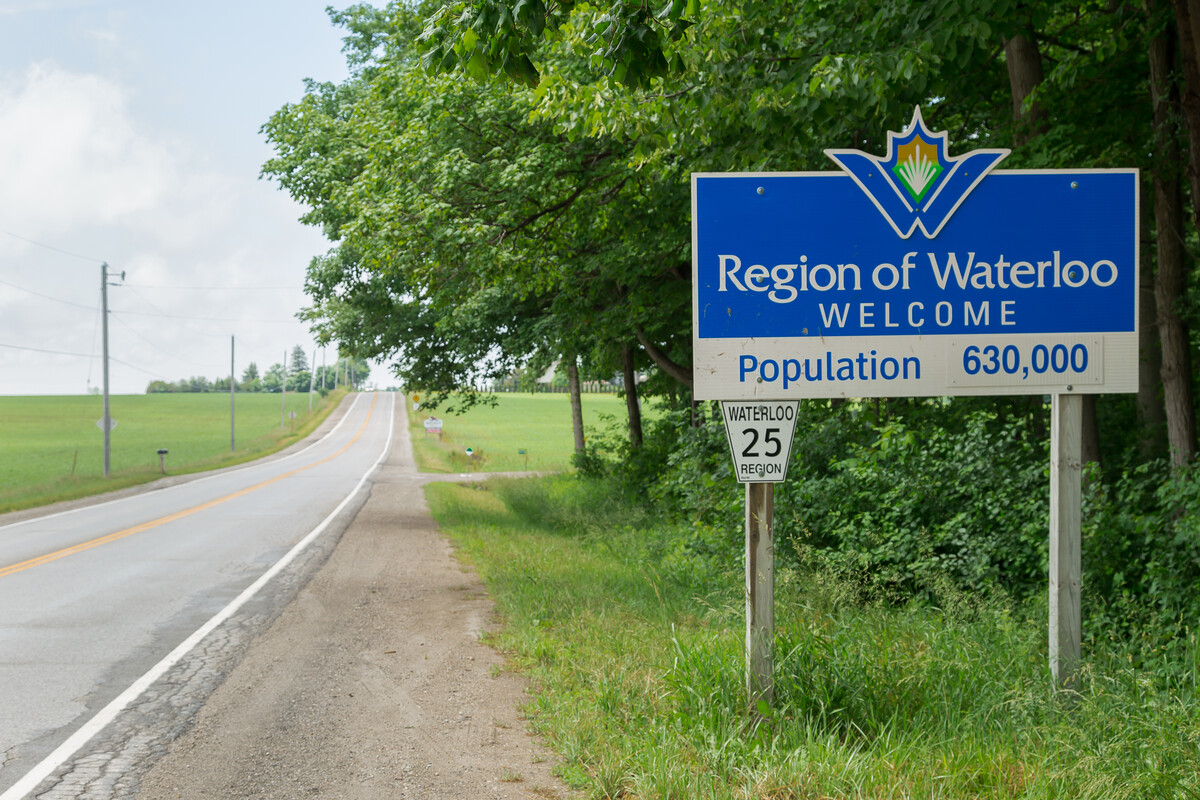
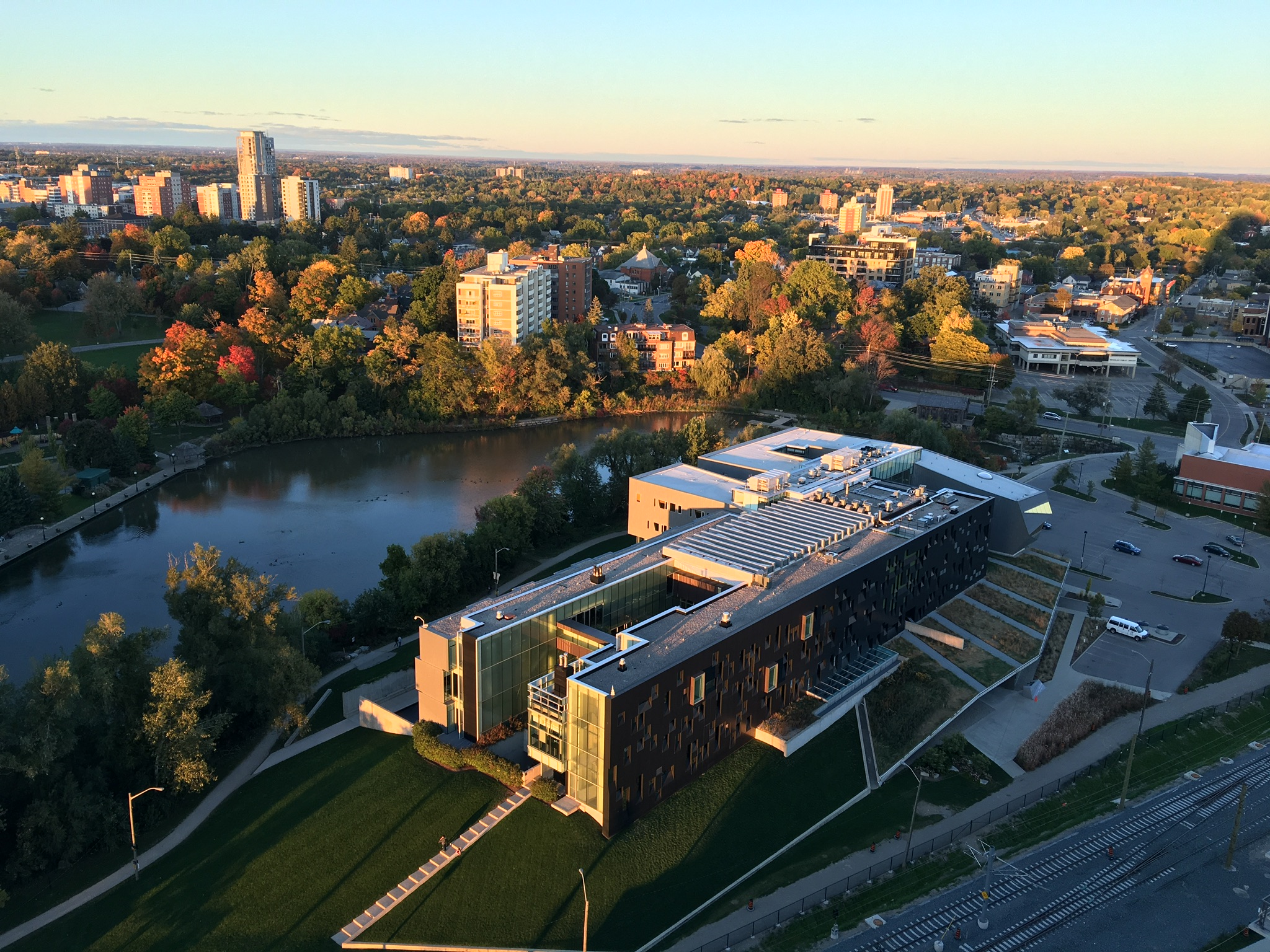
From River Town to Innovation Hub
Waterloo grew from quiet mill towns along the Grand River into one of Canada’s most inventive regions. Over the past thirty years, farms and factories gave way to research parks, startups, and new neighbourhoods. Roads stretched outward, plants expanded to deliver safe water, and transit corridors redefined how people move.
Growth has brought opportunity—and pressure. To sustain that momentum, the Region needed infrastructure planning that was just as innovative as its economy. For fifteen years, SolidCAD has worked beside the Region, guiding its digital adoption and giving every stakeholder a clearer path from design to delivery.
The Challenge: Outdated Systems Holding Back Modern Growth
Before adopting Autodesk Construction Cloud (ACC), the Region’s Design and Construction Division wrestled with the same problem faced by many public organizations: disconnected teams and data silos.
“Everything was meant to come through the Design and Construction Division,” recalls Malcolm Lister, Technical Services Manager. “But it wasn’t always happening consistently. Other divisions couldn’t always see what was happening—each group was closed off from the others.”
Drawings and tenders moved through endless emails, FTP links, and duplicated folders. “I hate to say it,” Lister adds, “but there probably was no single point of truth at that time.” When the pandemic arrived, VPN limits and remote connectivity made collaboration nearly impossible.
The Turning Point: Remote Work Became the Catalyst for Change
COVID-19 accelerated digital transformation across every sector. For the Region of Waterloo, it became the moment to replace patchwork systems with something unified and resilient.
“Once everyone started working from home, VPNs just couldn’t handle the load,” says Lister. “Our designers were spending more time troubleshooting than actually working. It was time to find something better.”
When Autodesk introduced a Canadian data region, IT gave the green light. “That was huge for us,” he explains. “It wasn’t legislated, but our IT group was much happier knowing our data would stay in Canada.”
ACC arrived at the perfect time—secure, browser-based, and easy to use. “It had the tools we needed, was secure enough, and simpler than our VPN setup,” says Lister. “Once we tried it, it just fit perfectly.”
With SolidCAD’s guidance, the Region implemented ACC strategically—standardizing folder structures, permissions, and review workflows across departments. The result was one platform that will eventualy unite separtate divisions Water Services, Transportation, and Waste Management under a shared digital roof.
The Solution: One Platform, One Region
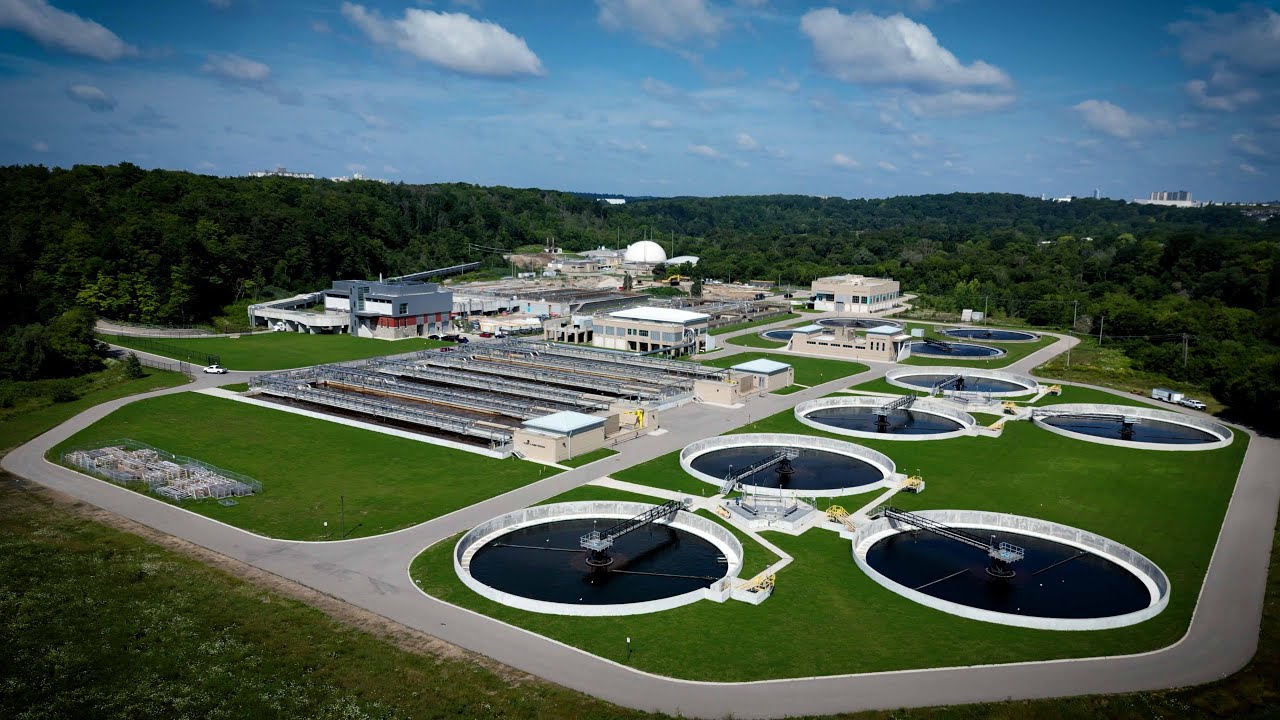
Today, ACC anchors the Region’s most critical infrastructure projects—from road rehabilitation and intersection upgrades to water and wastewater treatment facilities.
“The key is consistency,” says Lister. “People now know exactly where to find the drawings or PDFs they need. Permissions are controlled, and we can ensure everyone sees the latest version.”
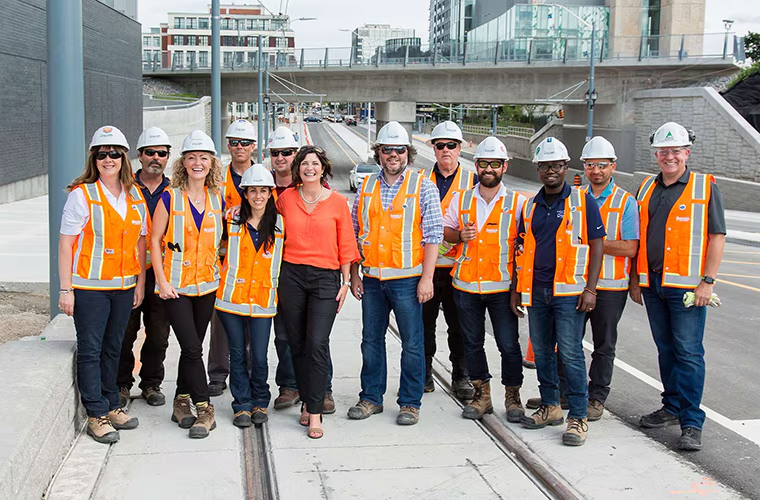
What began as an internal collaboration tool quickly evolved into a shared project environment connecting regional staff, and consultants. “Each time somebody sees it,” he adds, “the enthusiasm grows. It’s probably the most enthusiastic software adoption I’ve ever seen.”
The Results: Clarity, Accountability, and Time Saved
The impact was immediate. Version control issues disappeared. Every markup, comment, and revision now lives in one secure, auditable space.
IT workloads dropped after on-premise servers will retired. Email attachment volume plummeted. Teams review, comment, and approve faster—whether in the office, at home, or on-site.
“We used to rely entirely on consultants to send us final files,” says Lister. “We hope that in the future we can see progress in real time and even catch issues earlier. Collaboration should go from task to reflex.”
Metrics and Outcomes
- 70 Autodesk Construction Cloud licenses deployed across divisions
- 100% of in-house projects now managed in ACC
- Review turnaround times improved by 40%
- Zero server dependency → reduced IT maintenance
- Full data residency in Canada
- Dozens of active transportation and water projects centralized
The Human Shift: From Hesitation to Habit
The cultural shift has been even more transformative than the technology.
“I think the real success is the fact that there’s no resistance,” says Lister. “It’s changed very quickly from ‘Oh, this is something new I have to learn’ to ‘Why isn’t that project in ACC yet?’”
Consultants have been equally quick to embrace the change. “At first, we were just using it to review submissions. Then the consultants said, ‘Can we have access too or we already use that?’ It’s taken off faster than I ever anticipated.”
What’s Next for Waterloo (Region & City Partners)
Guided by lessons from the rollout, Waterloo’s next phase focuses on deeper, day-to-day collaboration across internal teams and external partners—benefiting both the Region of Waterloo and municipal partners such as the City of Kitchener.
- Continuous collaboration with consultants
“I want a much closer tie between consultant staff and Region staff,” says Lister. Rather than waiting for milestone drops (30/60/90/IFC), teams will share work-in-progress more frequently—catching issues earlier and reducing rework.
- Shared environments and account bridging
The Region aims to bring consultants into the Region’s ACC environment (or bridge accounts) for common folder structures, permissions, and standards. “If everyone can work together in real time, it eliminates confusion and keeps projects moving efficiently.”
- Expansion to operating divisions
Next up: broader onboarding for operating groups beyond design reviewers. “Reviewers tend to be enthusiastic already,” Lister notes. “The priority is helping management and operations see how easy reviews and approvals become when everything’s in one place.”
- Show, don’t tell: executive demos over long business cases
Rather than spreadsheets, leadership will see hands-on demos: where to find files, how to markup, how approvals track—so benefits are obvious. “It’s more about showing how we’re using it than the nuts and bolts of the numbers.”
- Practical KPIs that matter to cities
Early wins include faster pavement markings and traffic sign approvals. With visible markups and tracked versions, Transportation decisions tighten up: “We can follow changes much closer and get it right—if not the first time, then the second or third.”
- Targeted cost and schedule gains
By reviewing continuously, municipal partners expect fewer redesign loops and cleaner coordination, particularly on environmental projects (water/wastewater facilities) managed by consultants. “Better collaboration should mean less rework,” Lister says.
Together, these steps set up a unified review-and-approval rhythm that municipalities like the Regionof Waterloo can plug into—standard tools, shared context, and faster decisions.
SolidCAD: A 15-Year Partner in Waterloo’s Transformation
For over fifteen years, SolidCAD has helped the Region modernize how it designs, builds, and collaborates—from early training and custom workflows to full-scale cloud transformation.
“I’ve stayed with SolidCAD all these years because the service is what’s needed—and the price is right,” says Lister. “They’ve always been there when we needed them.”
Waterloo has always been a place that builds what it imagines. With Autodesk Construction Cloud as its foundation and SolidCAD as its long-term guide, the Region continues to turn innovation into lasting infrastructure.
Similar Projects
McElHanney Success Story
Énergir