


Success Story
Arno Matis: Unlocking Faster Housing Approvals with Multi-AR
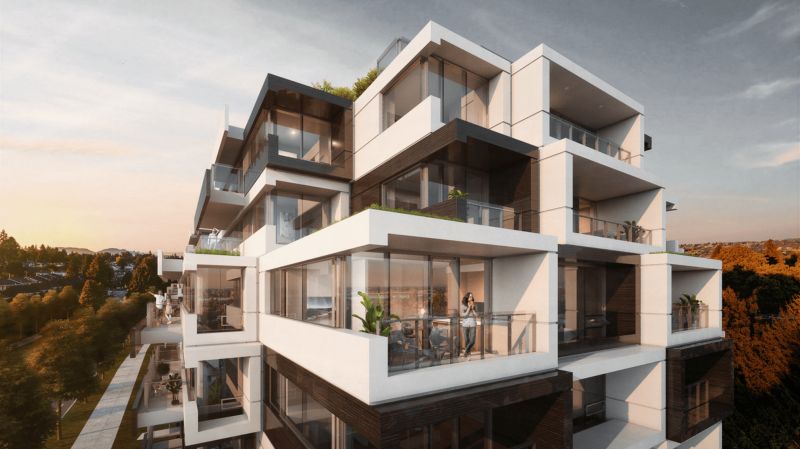
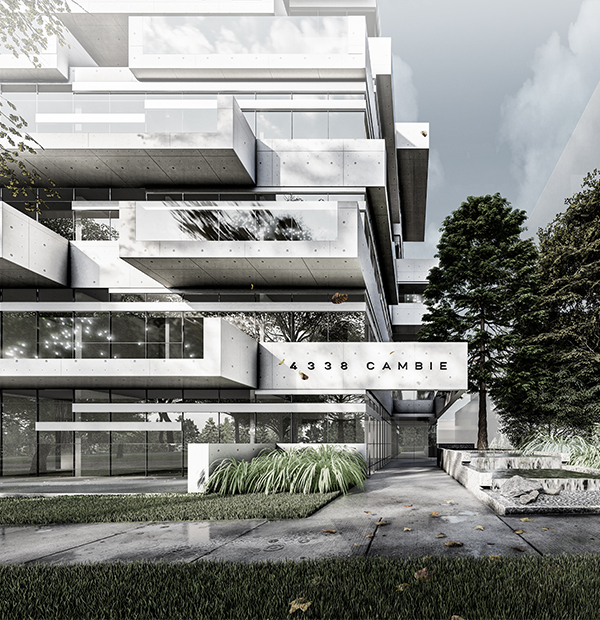
The Future of Automated Regulatory Review
If you’ve ever followed a housing project from concept to construction, you know that the most innovative designs can be slowed by one of the least glamorous—but most critical—parts of the process: regulatory review. Every plan, drawing, and document must be checked for compliance with building codes, zoning bylaws, accessibility standards, and other municipal requirements.
In British Columbia, where municipalities face growing pressure to deliver more homes faster, the stakes have never been higher. With population growth, sustainability mandates, and affordability targets colliding, permitting bottlenecks have become a central challenge to housing supply.
The Challenge: A Static System in a Dynamic World
Most regulatory compliance tools today are designed to review static PDF files—digital replicas of paper documents. While that represented progress two decades ago, it now limits automation’s full potential.
PDF-based submissions require manual interpretation by multiple reviewers, each navigating hundreds of pages to verify details like fire separations, spatial layouts, or accessibility features. For multi-residential or mixed-use projects, these reviews can stretch over months or even years, with every small change triggering another lengthy verification cycle.
As one municipal reviewer put it:
“We spend more time checking how a document was labeled than checking the building itself.”

The Vision: Dynamic BIM-Driven Automation
Enter Multi-AR (Multi-Automated Review)—a groundbreaking initiative led by Arno Matis Architecture + Urbanism, in collaboration with Archistar.ai and SolidCAD, and funded through British Columbia’s Housing Growth Innovation Program.
Multi-AR reimagines compliance review by replacing static documents with dynamic BIM (Building Information Model) data. Rather than a flat drawing, a BIM file is a data-rich, three-dimensional model of a building, embedding every wall, window, and system with metadata that can be used to understand permit compliance.
By leveraging BIM as a live, verifiable dataset, Multi-AR allows municipalities to automatically test a project against zoning and code requirements—in seconds rather than weeks.
Imagine uploading a building model and instantly receiving a compliance dashboard showing where a design meets or fails each regulation. Adjust a floor height or window type, and the results update automatically. This is what Multi-AR aims to achieve: a seamless bridge between design intent and regulatory certainty.

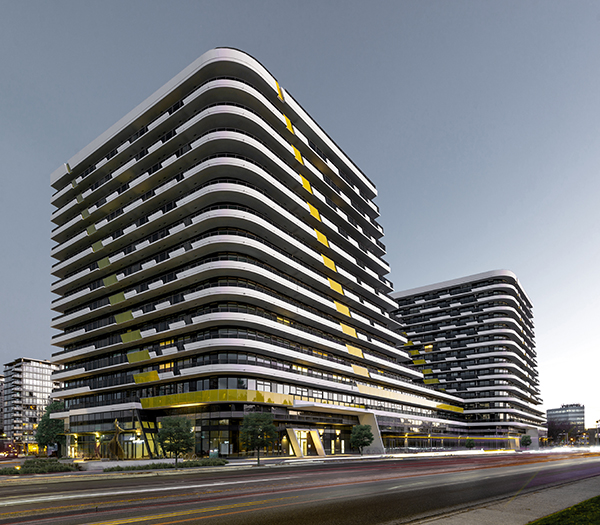
SolidCAD’s Role: Building the Digital Foundation
At the heart of Multi-AR’s innovation lies data interoperability—the ability for different tools, formats, and systems to communicate consistently. That’s where SolidCAD contributes its expertise.
As a national leader in BIM implementation and workflow automation for the AEC industry, SolidCAD ensures that Multi-AR integrates smoothly with the design software architects and engineers already use.
SolidCAD’s contribution focuses on:
- Establishing standardized BIM data environments to ensure models are consistently structured for automated review.
- Working closely with design consultants to ensure they understand modeling best practices and adhere to the standards required for automated submissions.
- Supporting coordination and collaboration between project partners to maintain reliable, high-quality data throughout the process.
By helping translate complex design data into structured, rule-ready formats, SolidCAD contributes to makinges automation not just theoretically possible—but practically achievable. The result is smoother, more reliable data exchange between designers and city reviewers, minimizing delays and reducing manual errors.
The Value Proposition: Faster Approvals, Smarter Cities
For municipalities, Multi-AR has the potential to shorten permitting timelines dramatically, freeing staff to focus on policy, urban design, and public engagement rather than repetitive administrative tasks.
For developers and architects, it means fewer revisions, lower holding costs, and faster time to market—without compromising compliance or safety.
For the public, it represents a future where housing moves from concept to construction faster, with greater transparency and accountability.
And for the AEC sector at large, Multi-AR demonstrates how BIM and automation can reshape regulatory processes—aligning technology, design, and policy toward a shared goal: delivering more housing, faster, and with confidence.
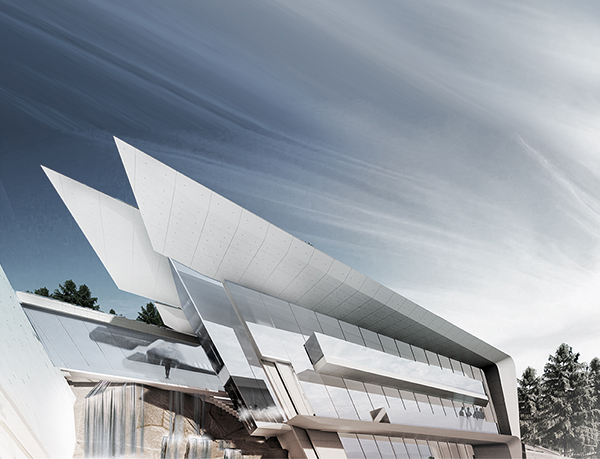
A Step Toward a More Resilient Future
As cities across Canada face the dual challenge of housing demand and environmental responsibility, Multi-AR offers a scalable, technology-driven path forward.
By unlocking the potential of BIM for digital compliance, and with SolidCAD ensuring the interoperability needed to make it work, this collaboration showcases how innovation and expertise can transform how the public sector manages growth.
The future of housing delivery belongs to those who can turn complexity into clarity.
Multi-AR—powered by Arno Matis Architecture + Urbanism, Archistar, and SolidCAD—is building the tools to do just that.
Learn more about the Multi-Automated Review (Multi-AR) project and the Housing Growth Innovation Program here.
Similar Projects
McElHanney Success Story
Énergir