

• Canadian Flag Proudly Canadian Operated
  • Arno Matis Success Story

    Success Story

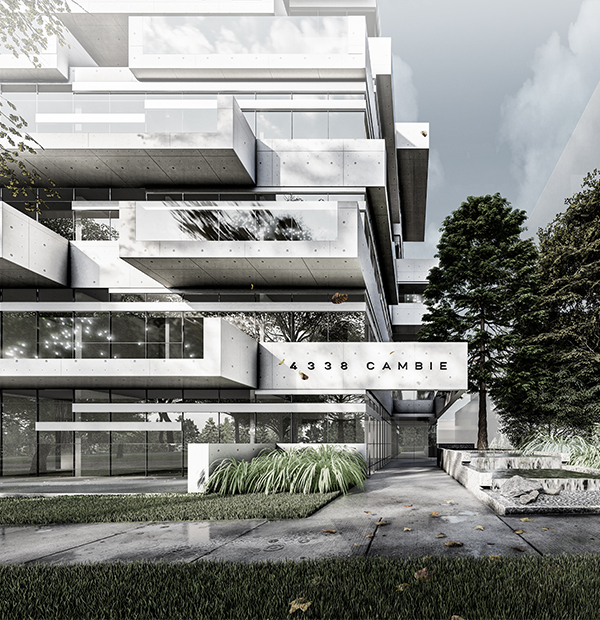
    Arno Matis: Unlocking Faster Housing Approvals with Multi-AR

    The Future of Automated Regulatory Review

    If you’ve ever followed a housing project from concept to construction, you know that the most innovative designs can be slowed by one of the least glamorous—but most critical—parts of the process: regulatory review. Every plan, drawing, and document must be checked for compliance with building codes, zoning bylaws, accessibility standards, and other municipal requirements. 

    In British Columbia, where municipalities face growing pressure to deliver more homes faster, the stakes have never been higher. With population growth, sustainability mandates, and affordability targets colliding, permitting bottlenecks have become a central challenge to housing supply. 

    The Challenge: A Static System in a Dynamic World

    Most regulatory compliance tools today are designed to review static PDF files—digital replicas of paper documents. While that represented progress two decades ago, it now limits automation’s full potential. 

    PDF-based submissions require manual interpretation by multiple reviewers, each navigating hundreds of pages to verify details like fire separations, spatial layouts, or accessibility features. For multi-residential or mixed-use projects, these reviews can stretch over months or even years, with every small change triggering another lengthy verification cycle. 

    As one municipal reviewer put it: 

    “We spend more time checking how a document was labeled than checking the building itself.” 

    The Vision: Dynamic BIM-Driven Automation

    Enter Multi-AR (Multi-Automated Review)—a groundbreaking initiative led by Arno Matis Architecture + Urbanism, in collaboration with Archistar.ai and SolidCAD, and funded through British Columbia’s Housing Growth Innovation Program

    Multi-AR reimagines compliance review by replacing static documents with dynamic BIM (Building Information Model) data. Rather than a flat drawing, a BIM file is a data-rich, three-dimensional model of a building, embedding every wall, window, and system with metadata that can be used to understand permit compliance. 

    By leveraging BIM as a live, verifiable dataset, Multi-AR allows municipalities to automatically test a project against zoning and code requirements—in seconds rather than weeks. 

    Imagine uploading a building model and instantly receiving a compliance dashboard showing where a design meets or fails each regulation. Adjust a floor height or window type, and the results update automatically. This is what Multi-AR aims to achieve: a seamless bridge between design intent and regulatory certainty.

    SolidCAD’s Role: Building the Digital Foundation

    At the heart of Multi-AR’s innovation lies data interoperability—the ability for different tools, formats, and systems to communicate consistently. That’s where SolidCAD contributes its expertise. 

    As a national leader in BIM implementation and workflow automation for the AEC industry, SolidCAD ensures that Multi-AR integrates smoothly with the design software architects and engineers already use. 

    SolidCAD’s contribution focuses on: 

    • Establishing standardized BIM data environments to ensure models are consistently structured for automated review. 
    • Working closely with design consultants to ensure they understand modeling best practices and adhere to the standards required for automated submissions. 
    • Supporting coordination and collaboration between project partners to maintain reliable, high-quality data throughout the process. 

    By helping translate complex design data into structured, rule-ready formats, SolidCAD contributes to makinges automation not just theoretically possible—but practically achievable. The result is smoother, more reliable data exchange between designers and city reviewers, minimizing delays and reducing manual errors. 

    The Value Proposition: Faster Approvals, Smarter Cities

    For municipalities, Multi-AR has the potential to shorten permitting timelines dramatically, freeing staff to focus on policy, urban design, and public engagement rather than repetitive administrative tasks. 

    For developers and architects, it means fewer revisions, lower holding costs, and faster time to market—without compromising compliance or safety. 

    For the public, it represents a future where housing moves from concept to construction faster, with greater transparency and accountability. 

    And for the AEC sector at large, Multi-AR demonstrates how BIM and automation can reshape regulatory processes—aligning technology, design, and policy toward a shared goal: delivering more housing, faster, and with confidence


    A Step Toward a More Resilient Future 

    As cities across Canada face the dual challenge of housing demand and environmental responsibility, Multi-AR offers a scalable, technology-driven path forward. 

    By unlocking the potential of BIM for digital compliance, and with SolidCAD ensuring the interoperability needed to make it work, this collaboration showcases how innovation and expertise can transform how the public sector manages growth. 

    The future of housing delivery belongs to those who can turn complexity into clarity.
    Multi-AR—powered by Arno Matis Architecture + Urbanism, Archistar, and SolidCAD—is building the tools to do just that. 

    Learn more about the Multi-Automated Review (Multi-AR) project and the Housing Growth Innovation Program here

    Similar Projects

    Énergir

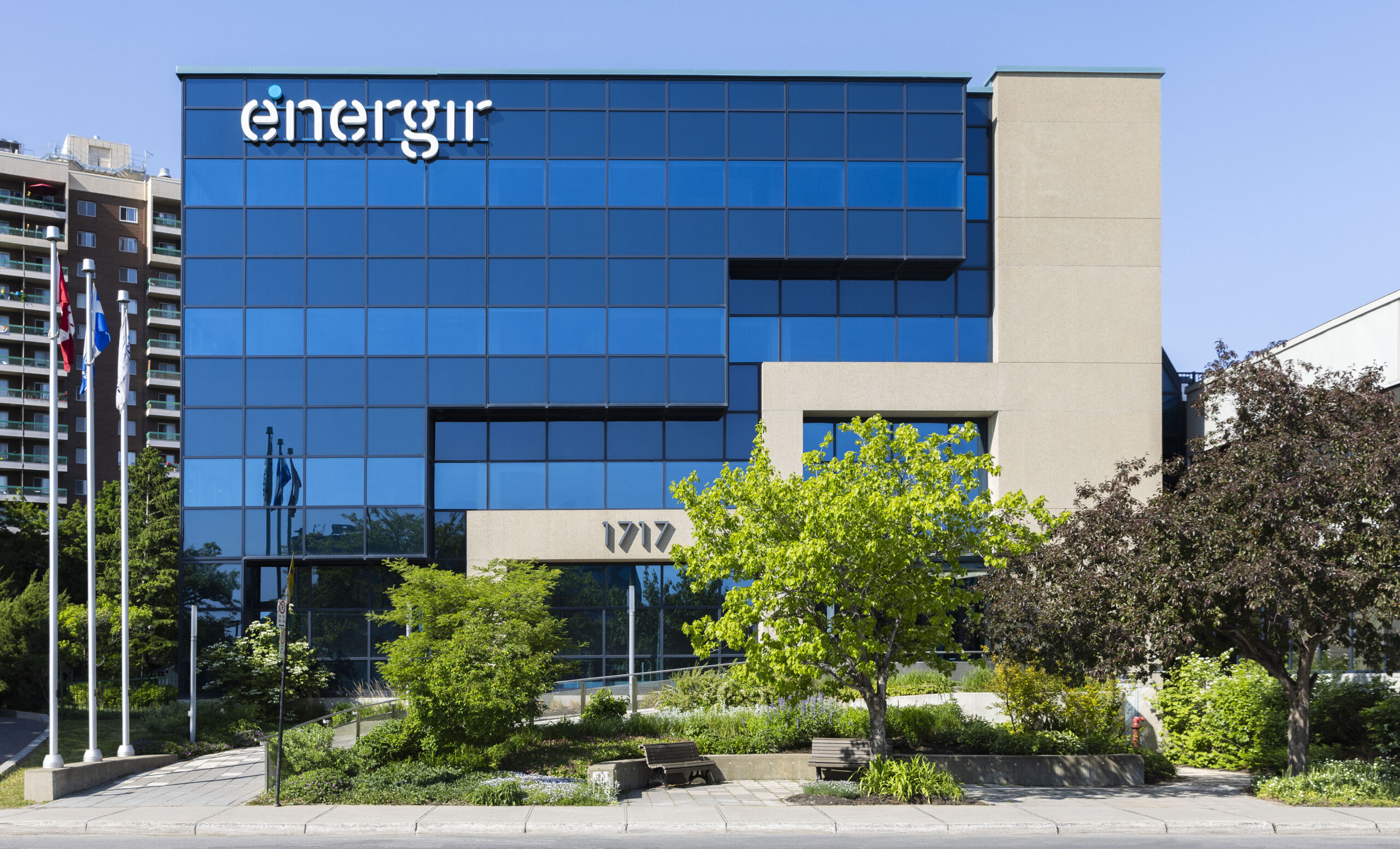
    Énergir, Québec's leading natural gas distributor, collaborated with SolidCAD to transition from MicroStation DGN to AutoCAD DWG, enhancing data accuracy, field safety, and interdepartmental collaboration.[...]

    Procepack

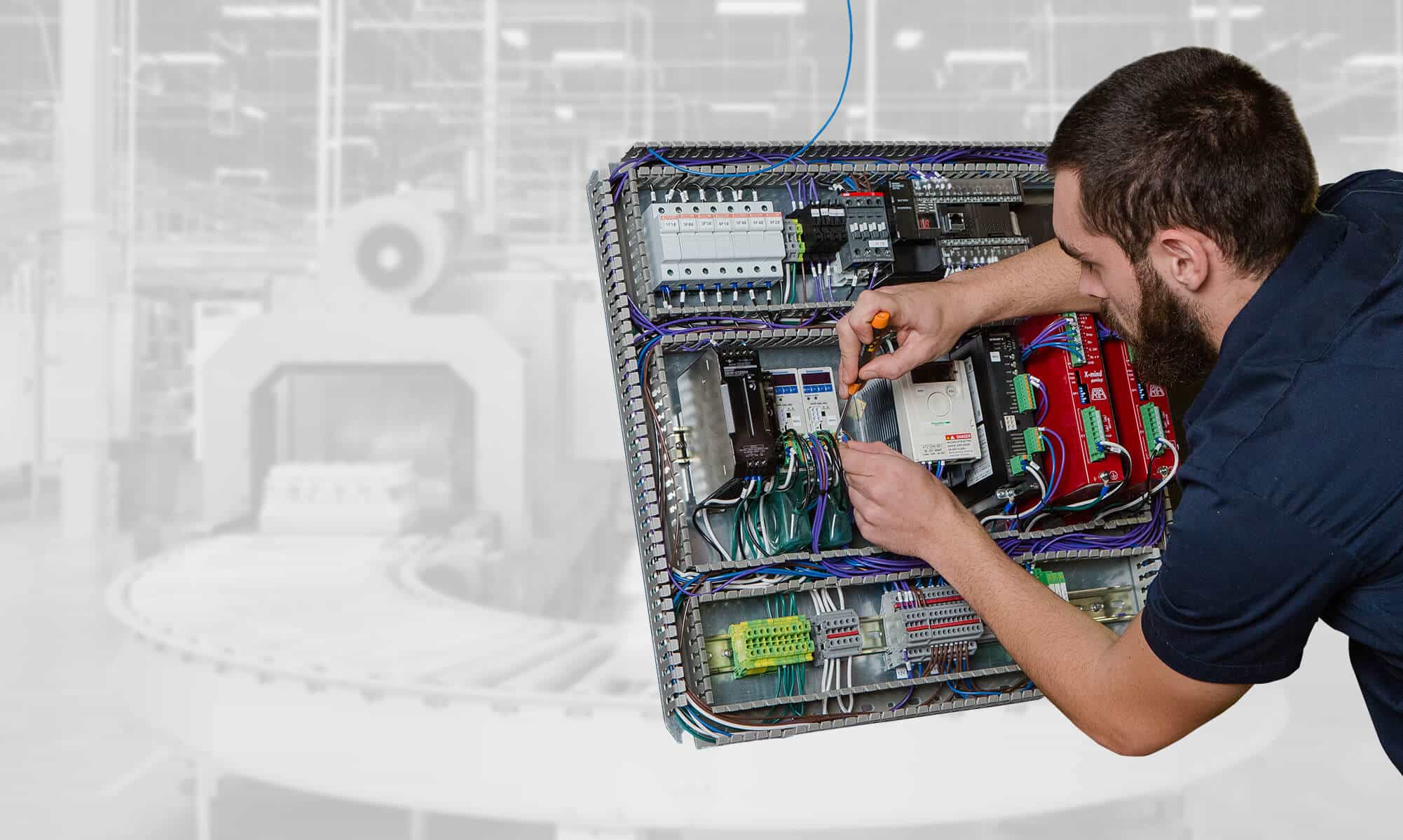
    PROCEPACK is a firm specializing in the purchase and sale of packaging and process equipment. They serve customers from a wide range of industries from food and cosmetics to pharmaceuticals. They leverage their vast and…
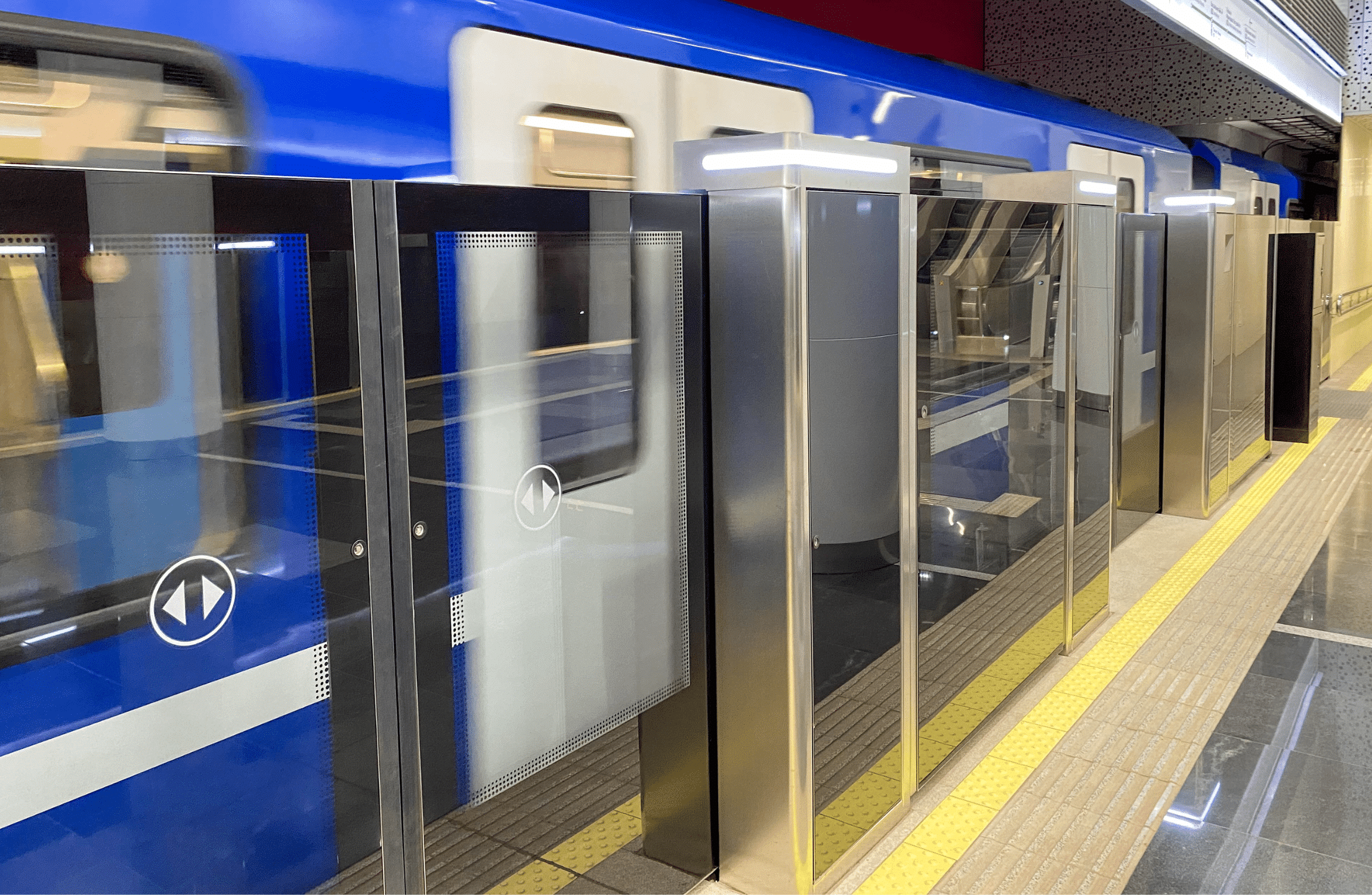
    Modern subway station platform with transparent platform screen doors and a blue and white train in motion behind them. The scene includes safety features like tactile paving and sleek, automated barrier gates, emphasizing urban transit infrastructure and safety.

    Société de Transport de Montréal (STM)

    Public transportation – buses, trains, subways, and more – have a wide range of complex assets that are both mobile and stationary. Upgrades, expansions, and new assets become intricate engineering projects involving a broad array of[...]

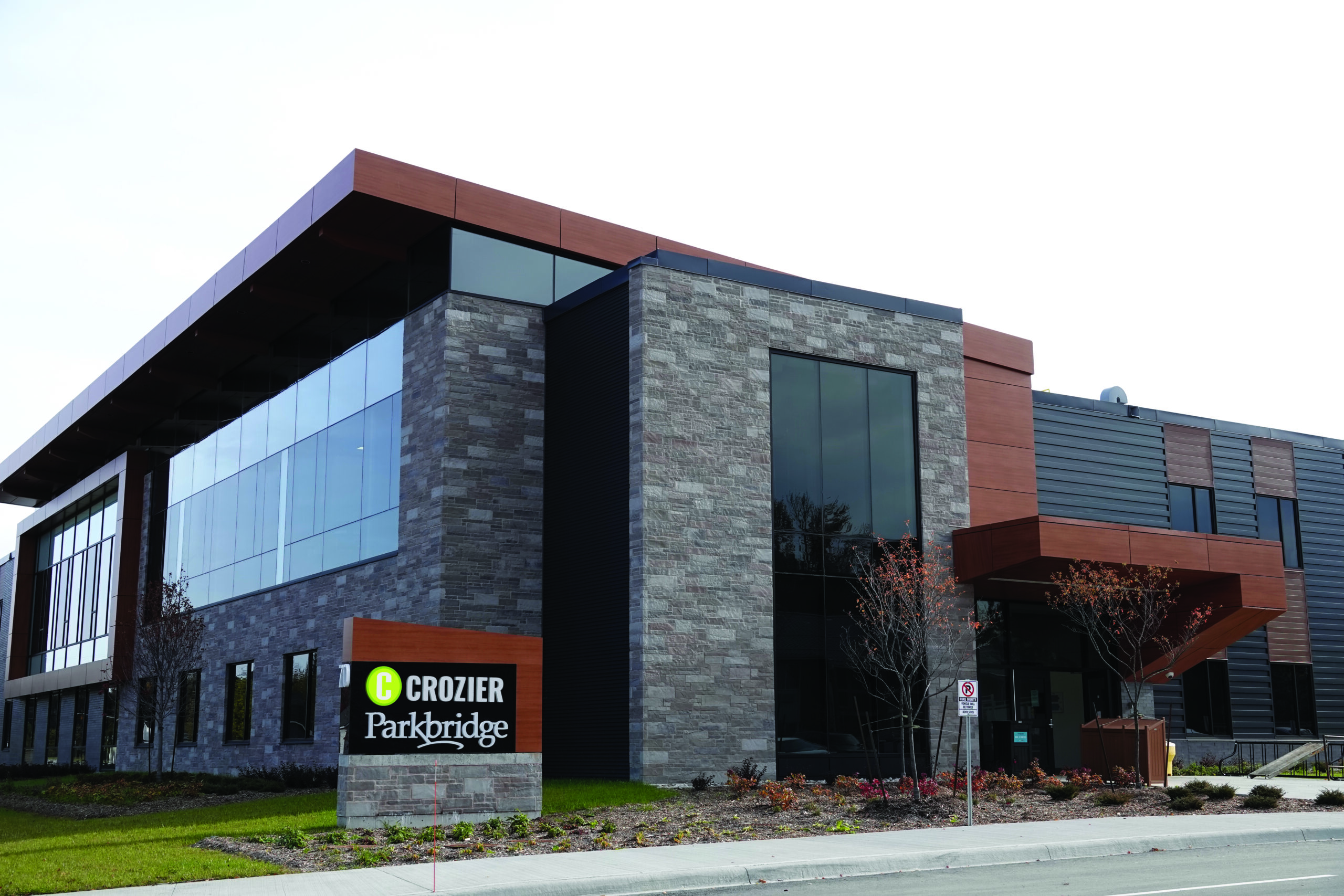
    Crozier & Associates Inc. Success Story

    Case Study

    Success Story: Crozier & Associates Inc.

    The Rhythm of Engineering

    There is a certain music in engineering. Not measured in notes, but in the rhythm of process: workflows aligned, approvals moving forward without delay, teams working in time with one another.

    For Crozier: Consulting Engineers (Crozier), that rhythm has always mattered. The necessity and desire to embrace innovation and collaboration has been a fundamental part of their leadership ethos. That same forward-thinking mindset is also why Crozier was recently named one of Canada’s Top Growing Companies for the third year in a row, standing out against more than 400 organizations nationwide.

    Behind that recognition lies more than growth for its own sake. As Crozier’s footprint expands across Ontario and into new markets, the complexity of projects, clients, and regulatory environments continues to increase. To meet these demands without sacrificing quality or speed, the firm has made digital transformation a strategic priority. By adopting Building Information Modeling (BIM) and cloud-based collaboration through Autodesk Construction Cloud, Crozier has redefined how its teams design, coordinate, and deliver work.

    Every office, whether in Toronto, Collingwood, Milton, Bradford, or Guelph, now operates from a shared digital environment. Drawings, models, and data flow seamlessly between disciplines, enabling real-time coordination. What once required manual effort and repeated revisions is now streamlined, traceable, and transparent. This foundation has allowed Crozier to scale confidently, take on larger and more complex land development and infrastructure portfolios, and extend its reach into new regions while maintaining a harmonious consistency and precision that define its work.

    In short, Crozier’s expansion is not just supported by technology; it is powered by it. The adoption of BIM has become the quiet rhythm behind their continued growth, the pulse that keeps every project, every office, and every team moving in time.

    BIM in Civil Infrastructure Frameworks: Why now?

    Building Information Modeling (BIM) has long been embraced by engineers, architects and construction firms to improve collaboration and provide one source of truth. Now civil infrastructure is adopting BIM as well, streamlining and optimizing how projects are delivered. Through their strong focus on Autodesk Civil 3D, Crozier knew it was time to expand their expertise and knowledge by learning more of other Autodesk technology such as Revit, Autodesk Construction Cloud and specifically BIM Collaborate Pro to further refine their workflows and collaboration to such a degree that they could confidently take on more projects with the same team—setting the stage for their BIM evolution.

    Crozier is a leading example of this shift. By moving to a collaborative BIM framework, the firm has given their engineers and designers across the province the ability to work in perfect synchronization. Data is no longer trapped in silos, and teams have the same version-controlled information whether they are in the office or in the field.

    “It doesn’t matter whether you are in the office or remote, you get the same performance. Everything is centralized, version-controlled, and accessible to the whole team. It is faster, more reliable, and eliminates silos.”
    – Derek Gauer, Senior Designer

    This transformation has given Crozier the ability to scale project delivery, ensuring the same resources can manage greater volume and complexity. The why is clear: stronger collaboration and the ability to expand into new markets while maintaining quality.

    The Leap: Crozier’s Attitude Toward Innovation

    Crozier didn’t wait for the industry to catch up; they led with confidence. With an attitude rooted in curiosity and efficiency, they have consistently sought out new ways of working that promote innovation and productivity.

    This mindset has also driven deeper mastery of Autodesk Civil 3D, but also looking to adopt other technology like Autodesk Revit, and ACC’s BIM Collaborate Pro which has become a launchpad for growth into new geographies and services. The firm sees BIM not only as a compliance or coordination tool, but as a competitive differentiator—one that allows them to take on more work with greater confidence.


    Business Impact of Implementation & Integration

    The measurable benefits of Crozier’s migration to BIM and ACC include:

    • Increased capacity: More projects managed without growing resource pool.
    • Efficient collaboration: Multi-office teams sharing a single source of truth.
    • Digitized delivery: Faster reviews and fewer bottlenecks.
    • Reduced risk: Automated version control, fewer conflicts, and peace of mind.
    • Time savings: Hours recovered each week by eliminating redundancies.

    “Automated version control has been one of the biggest wins. Before, we relied on people to follow procedures. Now it happens automatically, secure, backed up, and easy to trace. That gives our teams huge peace of mind.”
    – Derek Gauer, Senior Designer

    A Dual Path of Innovation: AI and Cloud Technology

    Internal R&D in AI

    Crozier’s independent AI exploration is focused on land development and water management, where predictive modeling and machine learning are reshaping how communities plan for sustainable growth.

    Partnering with SolidCAD

    For more than a decade, SolidCAD has stood beside Crozier as a trusted partner in innovation. What began with early guidance in Autodesk Civil 3D has evolved into a long-term collaboration focused on digital transformation and smarter project delivery. Through hands-on support, training, and implementation, SolidCAD has helped Crozier turn technology into an enabler of growth, ensuring that every new system adopted strengthens the firm’s rhythm of coordination and excellence.

    Looking Ahead: A Call to the Industry

    Crozier’s journey demonstrates what is possible when culture and technology align. But their success also highlights a reality: more companies in the civil engineering space need to start thinking seriously about their BIM strategy.

    Without it, firms risk inefficiency, and limited scalability—while competitors move ahead with digitized delivery, predictive analytics, and seamless collaboration.
    Crozier’s recognition as a top Canadian growth company is not just an accolade—it is proof that innovation pays. The firms that embrace integration, invest in cloud-based BIM, and explore AI are the ones best positioned to thrive.

    Read more about how SolidCAD’s solutions can support your BIM strategy →

    The Music of Process

    The story returns to its rhythm. At Crozier, the music of engineering is not only intact, it is amplified. Their willingness to adopt, experiment, and implement smarter processes has created a new harmony: faster, smarter, and more collaborative delivery.

    What once required more effort now flows more smoothly. What once relied on fragmented systems now plays in concert. Crozier and SolidCAD have shown that when technology and culture align, the result is not just efficiency, but transformation.

    And in that transformation lies the why: because in today’s industry, the firms that innovate are the ones that thrive.

    Crozier press release – Top Growing Companies 2025 (Globe and Mail ranking):
    https://www.cfcrozier.ca/crozier-named-one-of-canadas-top-growing-companies-for-third-consecutive-year/

    Autodesk – Benefits of BIM (efficiency, cost savings, collaboration):
    https://www.autodesk.com/solutions/aec/bim/benefits-of-bim/

    Revizto – Top 10 Benefits of BIM (errors, productivity, collaboration):
    https://revizto.com/en/top-benefits-of-bim/

    Desapex – How BIM Leads to Cost Savings and Increased Efficiency:
    https://www.desapex.com/blog-posts/how-bim-leads-to-cost-savings-and-increased-efficiency-in-construction

    Similar Projects

    Énergir

    Énergir, Québec's leading natural gas distributor, collaborated with SolidCAD to transition from MicroStation DGN to AutoCAD DWG, enhancing data accuracy, field safety, and interdepartmental collaboration.[...]

    Procepack

    PROCEPACK is a firm specializing in the purchase and sale of packaging and process equipment. They serve customers from a wide range of industries from food and cosmetics to pharmaceuticals. They leverage their vast and…
    Modern subway station platform with transparent platform screen doors and a blue and white train in motion behind them. The scene includes safety features like tactile paving and sleek, automated barrier gates, emphasizing urban transit infrastructure and safety.

    Société de Transport de Montréal (STM)

    Public transportation – buses, trains, subways, and more – have a wide range of complex assets that are both mobile and stationary. Upgrades, expansions, and new assets become intricate engineering projects involving a broad array of[...]

    Plasman Success Story

    Case Study

    Success Story: Plasman Windsor Tooling

    C.F Crozier

    From Skilled Hands to Scalable Processes

    For years, Plasman’s CAM programming success was driven by the experience of its people. Skilled programmers relied on tribal knowledge, using workarounds, manual sketches, and years of intuition to deliver quality results. While this worked, it created real risks: processes were inconsistent, knowledge wasn’t documented, and scaling production meant scaling stress.

    As demand grew, leadership recognized the need to move from craftsmanship built on memory to repeatable excellence powered by automation. The vision was clear: eliminate repetitive tasks, reduce errors, and empower the programming team to focus on innovation rather than firefighting.

    A Collaborative Turning Point 

    Plasman engaged SolidCAD to explore options for streamlining workflows. A live OptiNC demonstration became the catalyst, showing the team—in real time—how automation could remove repetitive bottlenecks, standardize processes, and ensure reliable, predictable outcomes. 

    From there, SolidCAD partnered closely with Plasman through a phased rollout: 

    • 3-Day Onboarding: Training programmers on OptiNC’s core functionalities, 2D/3D features, and live template creation. 
    • 8-Week Structured Implementation: Weekly collaboration sessions addressing roadblocks, documenting progress, and tailoring automation to Plasman’s unique needs. 
    • Proactive Communication: Detailed session recaps and next steps that kept both teams aligned and momentum strong. 

    This wasn’t just software adoption—it was process transformation, anchored by collaboration and trust. 

    SolidCAD didn’t just sell us software—they became an extension of our team. They understood our challenges, guided us through every step, and made sure the solution fit our real-world process. It felt like a true partnership, not a transaction.” 

    Measurable Business Outcomes

    Nine months later, the results speak for themselves:

    • 70% reduction in programming time through automated strategies.
    • 16 hours freed up per week for value-added work.
    • 25% increase in machine output without additional headcount.
    • Higher first-pass yield and standardized, predictable outcomes.

    What was once dependent on a handful of experts is now a scalable, repeatable process that supports Plasman’s long-term growth.

    Looking Ahead

    Plasman started with two OptiNC licenses, expanded into structured implementation, and has since grown its footprint with a third seat to support new machines.

    A Scalable Foundation for the Future

    “This change didn’t just improve our day-to-day operations. By standardizing our process and leveraging automation, we now have a system that can grow with our business.”

    A Blueprint for Manufacturers

    Plasman’s journey will feel familiar to many manufacturers balancing expertise and efficiency. The lesson is clear: scaling up is not about working harder, but working smarter. Investing in people, process, and technology builds resilience that lasts.

    Partnership and Trust

    “SolidCAD didn’t just sell us software. They became an extension of our team. They understood our challenges, guided us through every step, and made sure the solution fit our real-world process. It felt like a true partnership, not a transaction.”

    Similar Projects

    Énergir

    Énergir, Québec's leading natural gas distributor, collaborated with SolidCAD to transition from MicroStation DGN to AutoCAD DWG, enhancing data accuracy, field safety, and interdepartmental collaboration.[...]

    Procepack

    PROCEPACK is a firm specializing in the purchase and sale of packaging and process equipment. They serve customers from a wide range of industries from food and cosmetics to pharmaceuticals. They leverage their vast and…
    Modern subway station platform with transparent platform screen doors and a blue and white train in motion behind them. The scene includes safety features like tactile paving and sleek, automated barrier gates, emphasizing urban transit infrastructure and safety.

    Société de Transport de Montréal (STM)

    Public transportation – buses, trains, subways, and more – have a wide range of complex assets that are both mobile and stationary. Upgrades, expansions, and new assets become intricate engineering projects involving a broad array of[...]