

Success Story
Uni-Fab
Built for What Comes Next: How Uni-Fab Is Expanding Its Advanced Manufacturing Capabilities with SolidCAD

About Uni-Fab
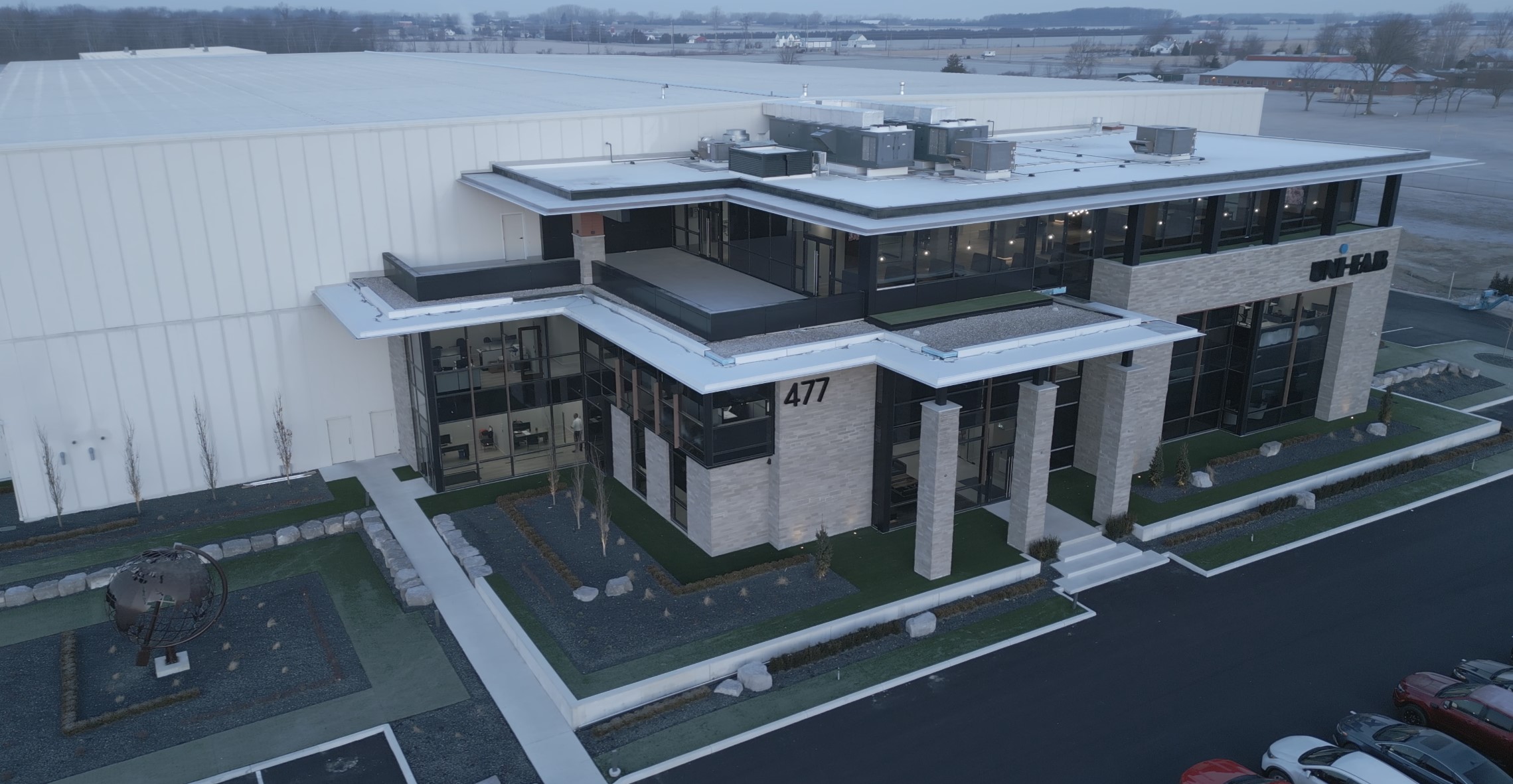
Across Ontario’s industrial landscape, some of the most important work happens far from public view. Inside fabrication and machining facilities, enormous weldments are cut, shaped and finished with extraordinary precision. These components ultimately support the systems society relies on every day, from transportation and automotive manufacturing to aerospace, energy and essential infrastructure.
This is where Uni-Fab has built its reputation.
With extensive fabrication and machining capabilities, Uni-Fab helps customers transform ambitious designs into production-ready components. Its work spans a remarkably diverse range of industries and applications, including automotive, aerospace, nuclear projects, railways, mezzanines, staircases, hydraulic tanks and pneumatic tanks.
For Joel Goodwin, Machining Operations Manager at Uni-Fab, that versatility is one of the company’s defining strengths.
“It’s almost difficult to put your finger on what it is that we do because we do a little bit of everything. There’s not much that we can’t do.”
— Joel Goodwin, Machining Operations Manager, Uni-Fab
As Uni-Fab began taking on larger, more complex machining projects, the company recognized that investing in advanced equipment was only part of the equation. To realize the full potential of its machines, it also needed the right software, customized post processors and specialized technical support.
That need led Uni-Fab to SolidCAD.
Experience Built Across the Manufacturing Floor
Joel joined Uni-Fab approximately six and a half years ago, bringing extensive experience from both fabrication and mould manufacturing.
Over more than a decade in the mould industry, he worked with everything from two-dimensional and three-dimensional components to cores, cavities, fascias and optics. The experience exposed him to a wide range of machines, tooling strategies and manufacturing processes.
When he arrived at Uni-Fab, the company was expanding its ability to machine increasingly complex weldments. Ownership was preparing to make significant investments in new equipment and modernize the machining process.
For Joel, the opportunity was compelling. Uni-Fab had the facilities, the ambition and the willingness to invest in what came next.
When Advanced Equipment Requires Advanced Support
Uni-Fab was already using Autodesk Fusion to support its machining operations. Joel had developed many of the company’s machine simulations himself and performed some minor post-processor customizations internally.
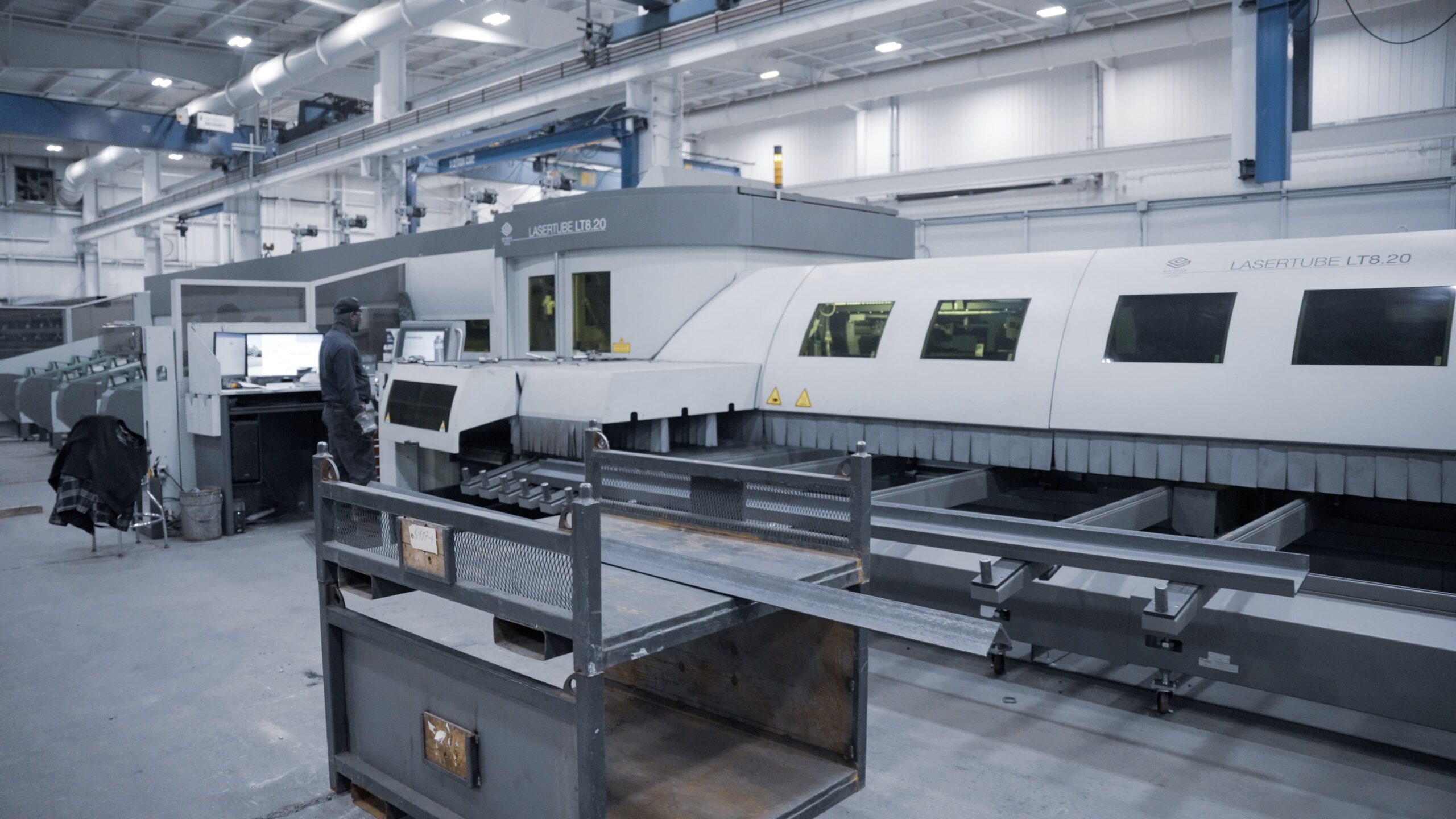
That approach worked well for more straightforward requirements. However, the stakes changed as Uni-Fab introduced larger and more sophisticated machines, including a five-axis machine and a large-scale bridge mill.
A machine simulation represents only one piece of the manufacturing workflow. The post processor must translate programmed toolpaths into instructions that match the exact configuration and behaviour of the physical CNC machine. On large, complex and high-value equipment, even a small discrepancy can introduce unnecessary risk.
Joel knew when it was time to bring in additional expertise.
“With that type of equipment, I don’t want to take chances on doing things like that myself. I’d rather involve people that do it all day, every day.”
— Joel Goodwin, Machining Operations Manager, Uni-Fab
SolidCAD’s reputation for post-processor customization and local customer service made it a natural fit. Instead of forcing Uni-Fab to work around generic configurations, SolidCAD could help align Autodesk Fusion with the realities of its equipment, processes and production environment.
From Initial Assessment to Ongoing Partnership
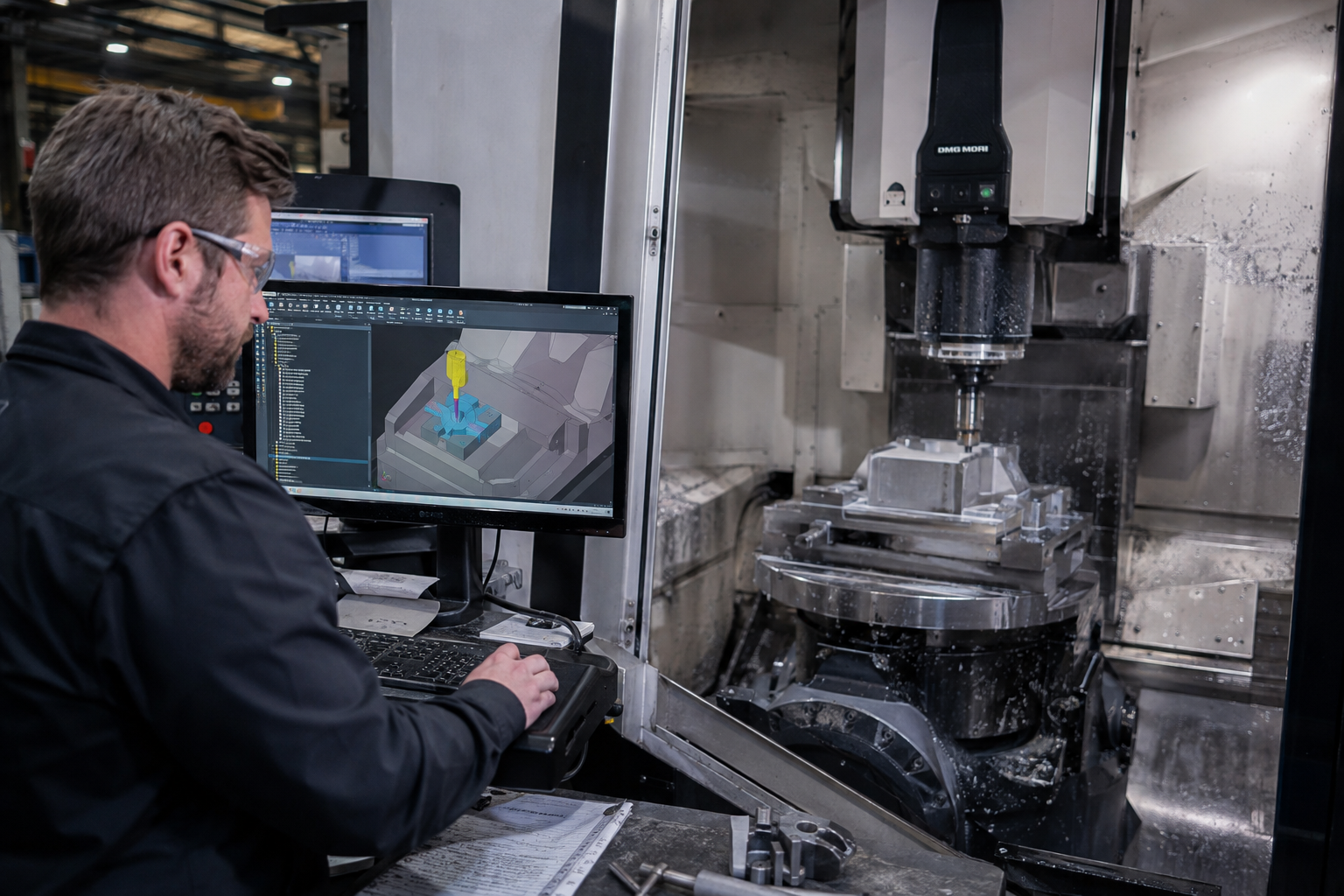
The engagement began with two priority machines: Uni-Fab’s five-axis Promac and its large Toshiba bridge mill.
Joel shared the machine files, existing simulations and generic Autodesk post processors that Uni-Fab had been using. SolidCAD reviewed the work already completed and identified the customizations required to support each machine properly.
Within days, SolidCAD was on site, assessing the equipment, running tests and collaborating directly with Uni-Fab’s machining team.
The relationship quickly grew beyond a single implementation project. SolidCAD now provides ongoing support through regular communication and monthly health checks. During these visits, SolidCAD Application Specialist André Moisan reviews the machines, confirms that post processors remain current and helps address technical questions or outstanding concerns.
“There is very open communication. Anytime I need pricing for something or quotes on something, the support is there.”
— Joel Goodwin, Machining Operations Manager, Uni-Fab
Uni-Fab also consolidated its Autodesk software portfolio through SolidCAD, including Autodesk Fusion and approximately 20 AutoCAD licences. Working with a local technology partner gave the company a simpler way to manage its Autodesk environment while gaining direct access to specialized manufacturing expertise.
For Joel, the benefit is practical: fewer disconnected relationships, faster access to support and greater confidence that Uni-Fab’s technology is aligned with its equipment.
Unlocking Large-Scale Five-Axis Machining
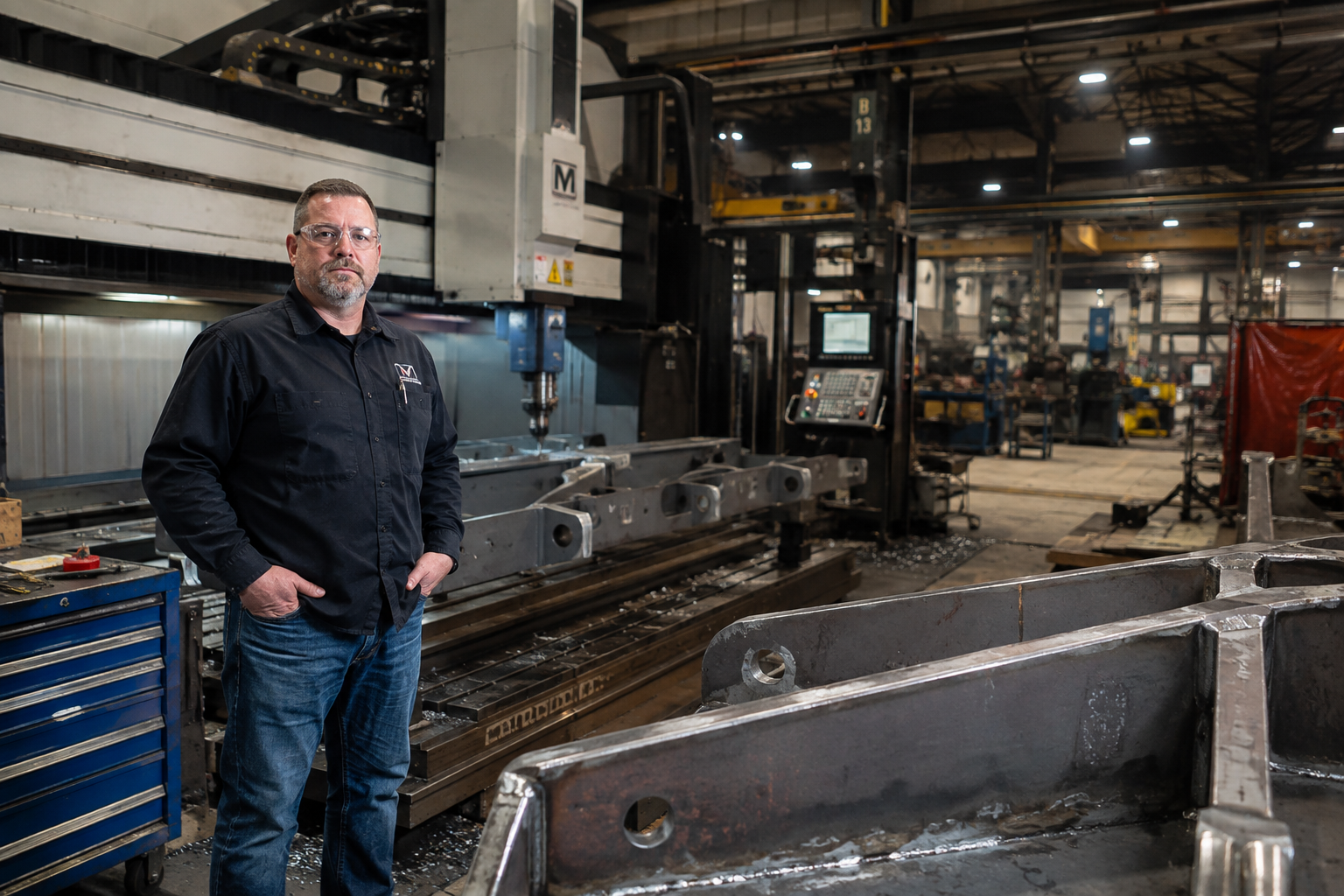
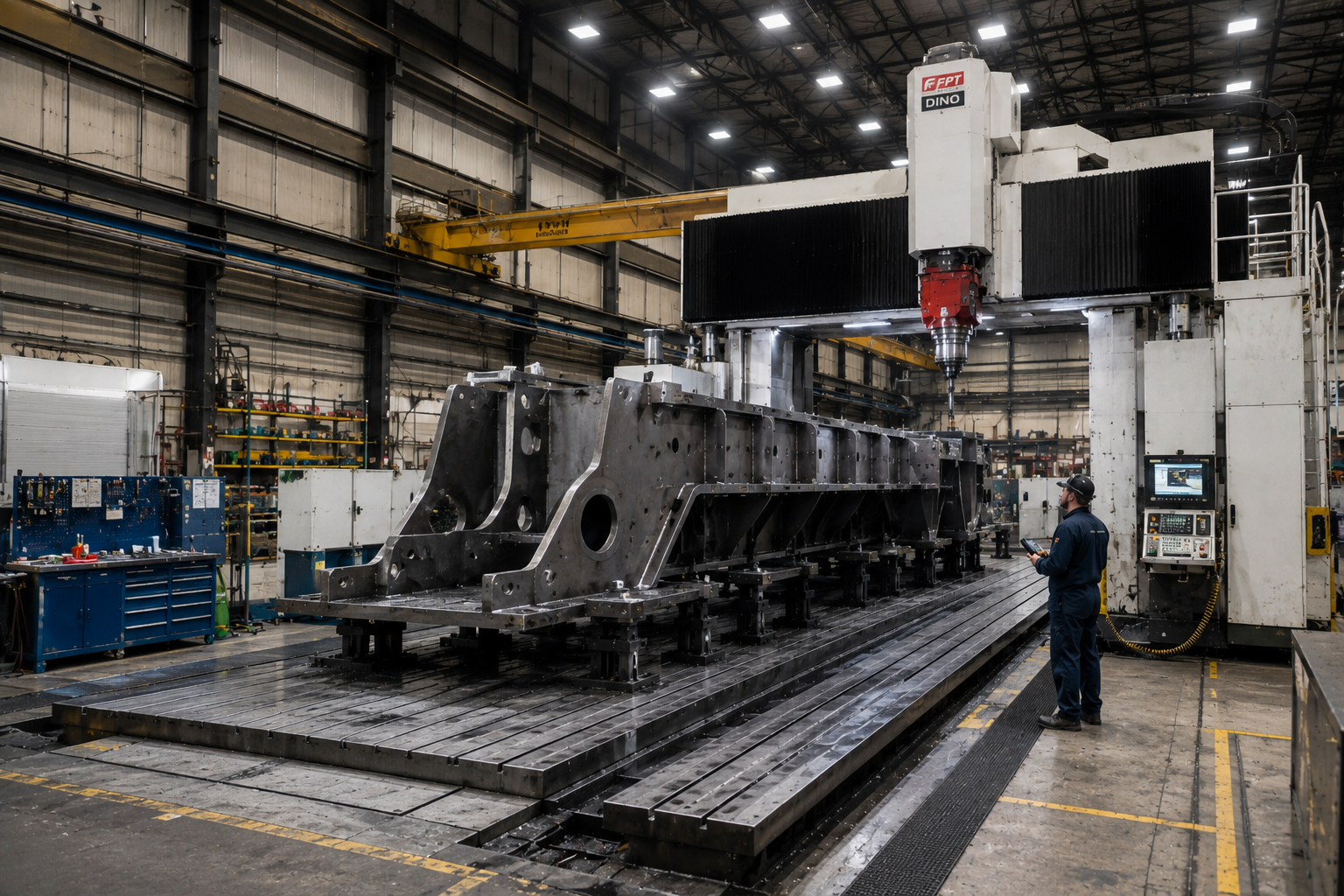
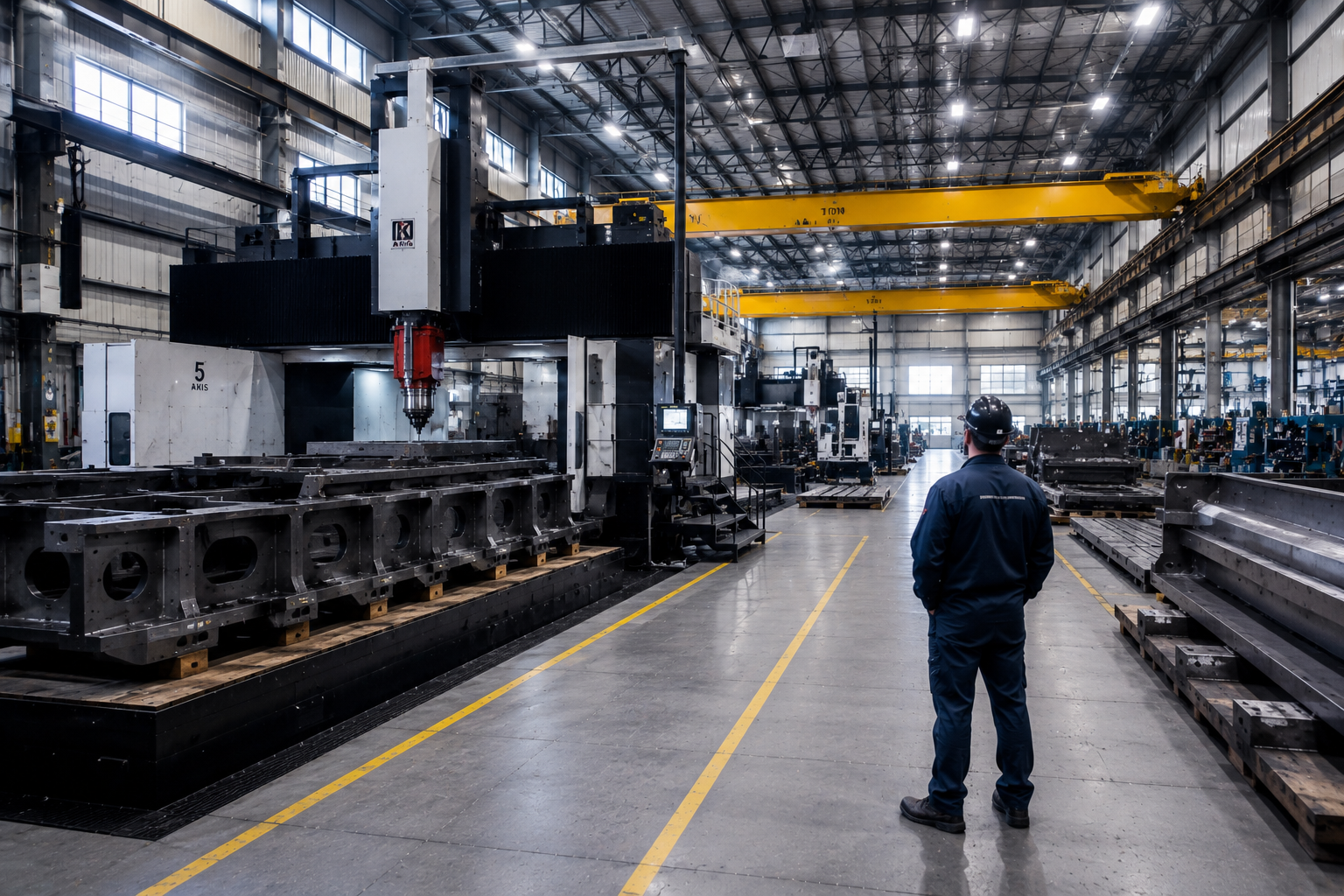
That confidence has become increasingly important with Uni-Fab’s latest investment: a 14-metre, five-axis machine acquired from Spain.
It is a significant addition to the company’s production floor and one of only a limited number of machines of its scale and capability in Ontario. The machine allows Uni-Fab to take on the large weldments and complex projects that have become central to its manufacturing expertise.
One of the components currently being processed is a nine-metre-long weldment, an indication of the size and complexity Uni-Fab can now accommodate.
“This machine helps us tackle what we specialize in, which is large-scale weldments and large-scale projects.”
— Joel Goodwin, Machining Operations Manager, Uni-Fab
SolidCAD has supported the implementation by helping Uni-Fab refine the post processor and make the adjustments required to prepare the machine for production. That work helps connect the capabilities programmed in Autodesk Fusion with the movement and configuration of the physical equipment on the shop floor.
The result is more than a functioning machine. It is a new level of manufacturing capacity, backed by the software configuration and technical knowledge required to use it effectively.
Supporting the Industries Society Depends On
The components produced at Uni-Fab may begin as steel, drawings and machining strategies, but their value extends far beyond the shop floor.
Uni-Fab’s work supports the equipment, facilities and infrastructure behind modern life. Its components contribute to industrial production, transportation networks, automotive manufacturing, aerospace applications and emerging nuclear projects. In each case, the company helps its customers build, move and maintain the systems upon which communities and industries depend.
As Uni-Fab expands into more demanding and highly regulated markets, precision, consistency and process control become even more important. The company is continuing to pursue the certifications needed to support increasingly advanced nuclear work and is exploring the requirements associated with controlled goods.
These ambitions reflect a company that is not simply adding machines. Uni-Fab is building the technical, operational and quality foundation required to contribute to some of Canada’s most important industrial sectors.
Bringing Quality Verification to the Machine
Uni-Fab’s next opportunity is to create a more complete machining and inspection process for extremely large components.
Moving a nine-metre weldment from a machine table into a separate quality department is not a simple task. The component must be transported, positioned and set up again before it can be inspected. This takes time and introduces another stage into the production process.
Uni-Fab is therefore exploring ways to inspect components directly on the machine table. The goal is to machine the part, verify the results and confirm its quality without unnecessary movement or repeated setup.
“We want to be able to set it up, machine it effectively and verify that machining, and kind of be a one-stop shop.”
— Joel Goodwin, Machining Operations Manager, Uni-Fab
For customers, this could create a more efficient and dependable workflow for large-scale components. It would also move Uni-Fab closer to its vision of providing a complete machining service: producing the part, verifying its accuracy and preparing it to move confidently into the next stage of its journey.
Building Capacity for the Future
Uni-Fab’s growth is continuing.
The company is already evaluating potential projects that could require another major equipment investment. One opportunity could involve acquiring a similarly large-scale machine dedicated to producing a defined family of components for a customer over several years.
Such an investment would be measured in the millions of dollars, but it would also represent something larger: new manufacturing capacity, stronger domestic production capabilities and the ability to support customers with complex, long-term requirements.
As those opportunities emerge, Uni-Fab will continue working with SolidCAD to improve its Autodesk Fusion environment, develop its post processors and connect new software capabilities to the machines responsible for bringing its customers’ ideas to life.
For SolidCAD, the role is to provide the expertise and continuity that allow Uni-Fab to move forward with confidence. For Uni-Fab, the objective is clear: continue investing, continue improving and remain ready to manufacture what comes next.
“There’s not much that we can’t do.”
— Joel Goodwin, Machining Operations Manager, Uni-Fab
Similar Projects
McElHanney Success Story
Énergir