

• Canadian Flag Proudly Canadian Operated
  • McElHanney Success Story

    Success Story

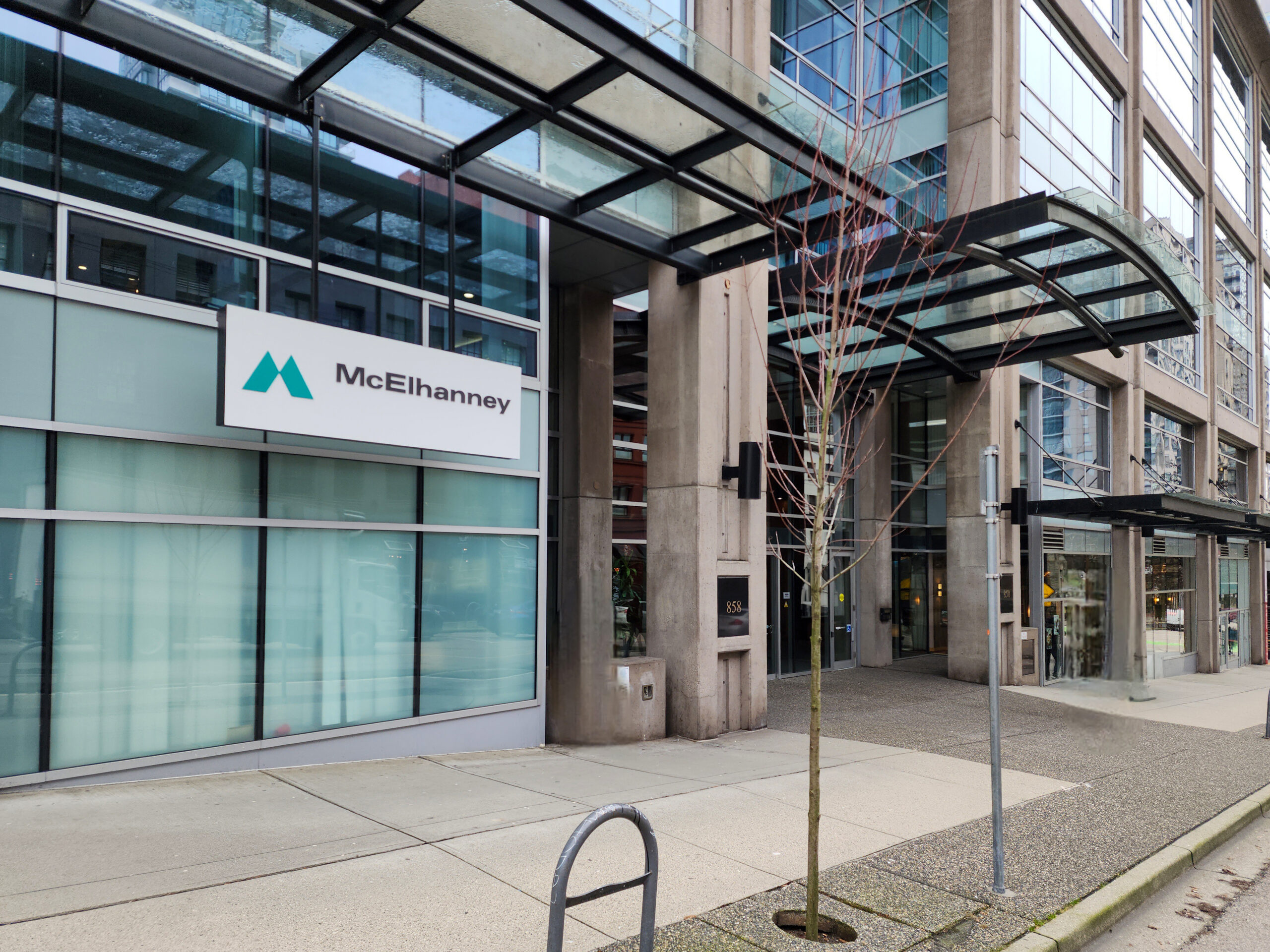
    McElhanney

    How McElhanney turned years of CAD, Geomatics, and digital expertise into a scalable learning and standards engine for 1,500 employees.

    “We had years of knowledge… and no way to share it.”

    For over 116 years, McElhanney has built its reputation on technical excellence across geomatics, engineering, transportation, construction, BIM, GIS, and emerging digital technologies.

    • With growth to 1,500 people across 32 offices, the focus shifted toward maintaining consistency and making valuable knowledge easily accessible across teams. Different offices developed different standards.
    • New hires learned from whoever sat beside them.
    • CAD support team answered the same questions over and over.
    • And when COVID removed in-person learning, the cracks became impossible to ignore.

    This wasn’t a training problem, it was about scale, consistency, and knowledge-sharing.

    What the Challenges Looked Like Day to Day

    As McElhanney expanded its workforce, the impact of inconsistent standards showed up in practical ways.

    Onboarding varied between offices. Rework was happening, not because teams lacked skill, but because they had learned different ways of doing the same work. Super users and experienced CAD staff found themselves repeating the same workflows and answering the same technical questions repeatedly.

    In some cases, the same CAD question was being asked dozens of times across the company simply because there was no central place for that knowledge to live.

    At the same time, employees were at very different stages in their digital journey. Some needed foundational support. Others were ready for advanced workflows, AI exploration, and deeper digital standards. The team needed a way to understand who needed what and guide learning intentionally.

    Learning demand also came in waves, new software releases, onboarding periods, AI initiatives. This created spikes the team was constantly trying to stay ahead of.

    And perhaps most importantly, there was a cultural challenge.

    Employees were relying on colleagues for training, and the organization needed a scalable, accessible content library to support the growing needs of staff.

    They needed a way to organize, scale, and guide how knowledge was accessed.

    Inside McElhanney’s Digital Innovation Team

    When we sat down with McElhanney’s digital leaders, it was clear this initiative wasn’t coming solely from an HR or IT directive. McElhanney leadership saw the need for a new training initiative and looked to the CAD Standards Committee and the newly formed ML Digital team to come up with a solution.

    We spoke with:

    • Brey Tucker — Digital Leader
    • Kristen MacKay —Digital Program Manager
    • Vicki Sjoberg — CAD Lead, Digital Technology Leadership Team
    • Chris Waight — BIM Lead, Digital Technology Leadership Team Lead

    Together, they represent a subset of McElhanney’s digital team (ML.Digital) — a 50-person group supporting standards, innovation, workflows, and technology adoption for 1,500 employees.

    Their mandate spans CAD, BIM, GIS, Geospatial Technology, Visualization, and even the rise of AI, with Microsoft Copilot enablement.

    As Brey described it, their role is to “serve the entire organization’s technology needs while preparing the company for what’s next.”

    But for decades, McElhanney’s technical software training was mandated to a group of experienced individuals in our CAD Standards Committee, who worked on standards “off the side of their desk” and developed CAD content, refined workflows, and contributed to standards built from from project experience. Vicki and her counterpart, Trevor Deleske, have developed over 1,000 worth of custom CAD processes for Geomatics workflows alone.

    The expertise existed. It just wasn’t scalable, without physically taking resources away from their daily work.

    Learning Had to Become Infrastructure

    When this team came together, something became clear.

    If digital standards, BIM, AI, and evolving workflows were going to shape McElhanney’s future, then learning couldn’t be something people did when they had time.

    It had to be built into how the company operates.

    This also wasn’t a brand-new idea. McElhanney had been working with SolidCAD for years, and conversations around skills, standards, and scalable learning had come up more than once. At the time, it was something to keep in mind.

    But now, it had become urgent.

    SolidCAD wasn’t just another software provider in this decision. They were a familiar partner who already understood McElhanney’s environment, their tools, and the challenges they were trying to solve. That history made it easier to move from discussion to action.

    Together, they implemented:

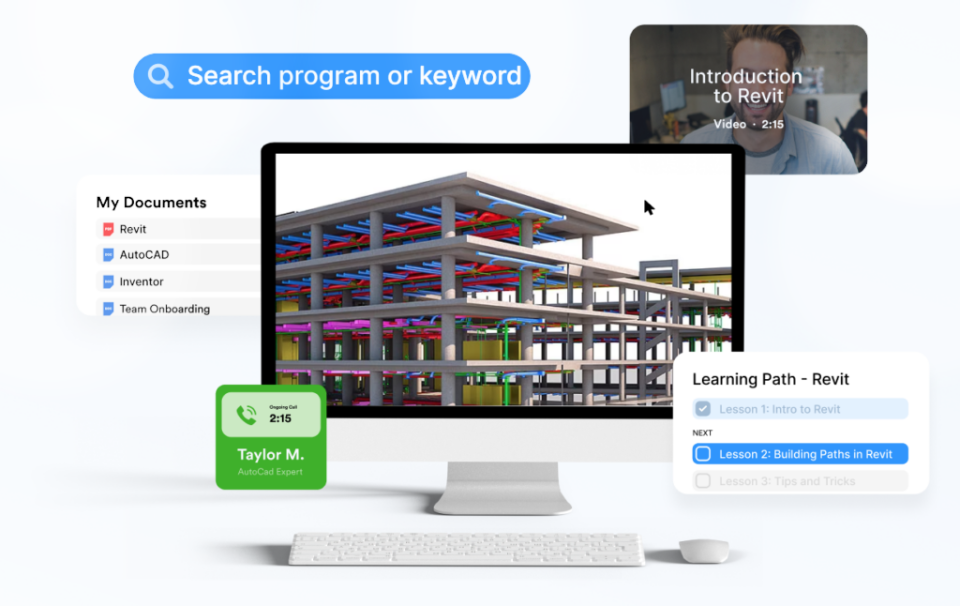
    • Pinnacle Series — a centralized place to access learning and internal knowledge
    • KnowledgeSmart — a way to understand where skills existed and where support was needed

    This became an initiative in building a knowledge engine that could support the entire organization.

    From “Who do I ask?” to “Check Pinnacle.”

    Even shortly after rollout, a shift began to appear.

    Instead of asking, “Who can help me?” employees began asking, “Is this on Pinnacle?”

    Pinnacle provided McElhanney with a centralized place to access a deep library of AECO-focused CAD, BIM, and digital workflow content, alongside the ability to begin housing their own internal standards, workflows, and knowledge in the same environment.

    At the same time, KnowledgeSmart introduced something they hadn’t had before: visibility into skills.

    For the first time, the team could start to plan for assessing:

    • Where employees were in their digital skill journey
    • What content would support them at their stage
    • How learning paths could guide development instead of relying on ad-hoc support

    The CAD support team began seeing fewer repetitive questions. New hires have a clearer starting point for learning. Leaders have begun exploring how learning paths could support coaching conversations. Employees have started looking for answers inside Pinnacle before looking for a person.

    What used to require a conversation was beginning to take a click.


    Adoption That Told a Story

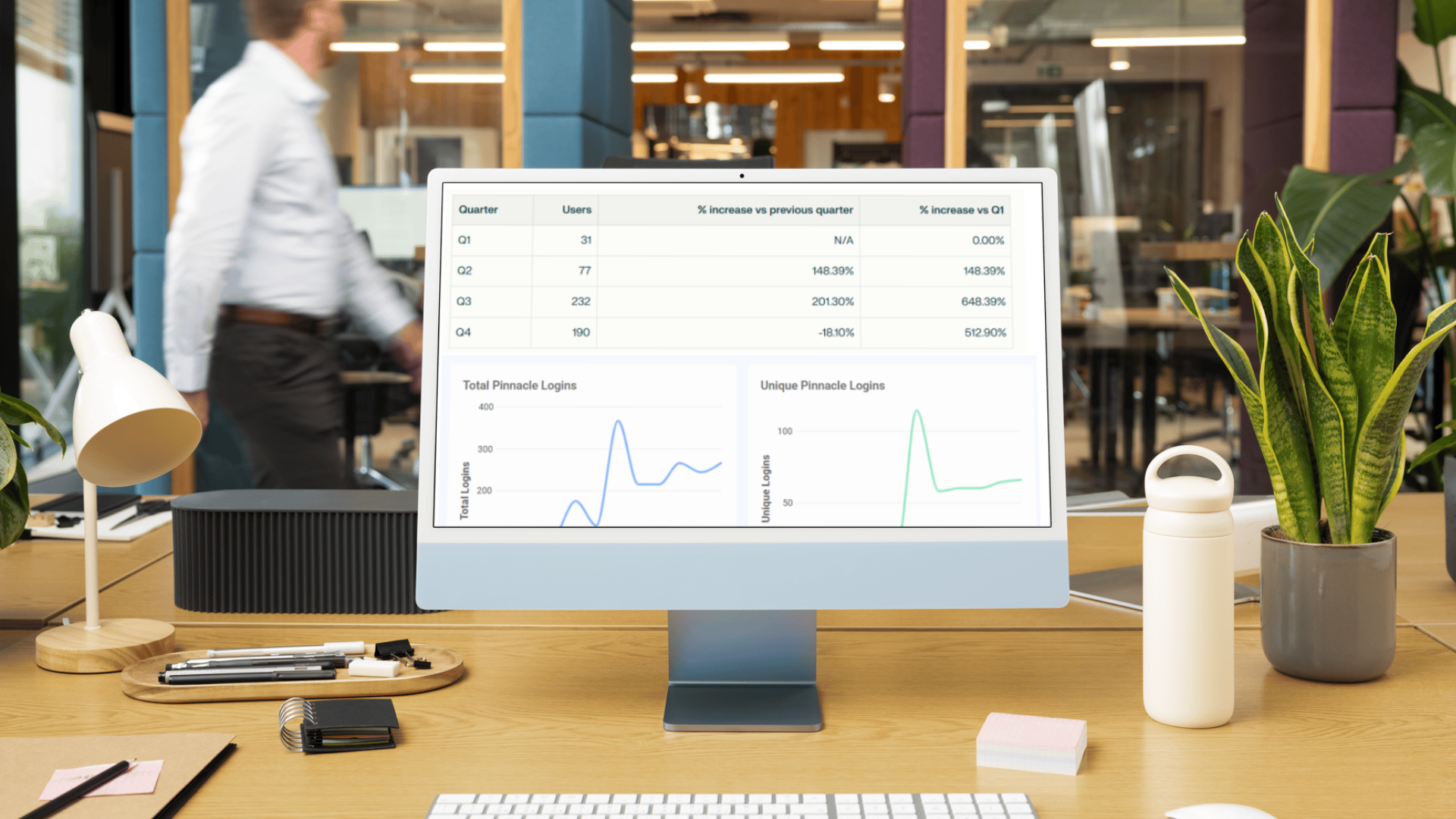
    Quarter Unique Users
    Q1 31
    Q2 77
    Q3 232
    Q4 190

    That’s 648% growth from Q1 to Q3.

    Nearly 200 users every month and 167 courses actively used across content for CAD, BIM, digital standards, and AI.

    The spike wasn’t mandated. It happened because employees wanted to learn.

    Building Subject Matter Experts — Intentionally

    One of the most insightful points Brey shared was how developing subject matter experts inside McElhanney goes far beyond improving day-to-day project work. It plays a direct role in shaping the future services the company can offer.

    When employees build deeper expertise in CAD, BIM, digital workflows, data, and emerging technologies, they aren’t just working more efficiently. They begin to recognize new possibilities, contribute new ideas, and identify new ways McElhanney can support its clients.

    This is where KnowledgeSmart and Pinnacle work together in a powerful way.

    KnowledgeSmart provides visibility into where skills already exist across the organization and where additional support is needed. Pinnacle then offers structured learning paths that help employees intentionally build those skills over time.

    Rather than relying on experience to develop organically, McElhanney now has a way to grow expertise across the firm with purpose.

    For McElhanney, building subject matter experts became more than improving internal efficiency and more about expanding what the organization is capable of delivering in the future.

    A Living Knowledge System — And the Start of a Cultural Shift

    Pinnacle is now the go-to hub for technical services, CAD, BIM, and digital standards at McElhanney.

    Teams continue to leverage the extensive content already available in Pinnacle, while also uploading and refining custom content. Internal workflows are being documented. Assessment data can be used for coaching. Leaders can now connect training to project performance.

    Employees feel more confident contributing their own knowledge. And this is only the beginning.

    As McElhanney looks toward more AI adoption, evolving software, and future standards, Pinnacle will remain the central place where knowledge is built, stored, and shared.

    SolidCAD will continue to support McElhanney in expanding this internal content — ensuring their expertise scales as the company grows.

    Building the Future of Expertise

    What began as a response to overwhelmed support teams has become the foundation for how 1,500 people learn, work, and evolve digitally.

    McElhanney didn’t solve a training problem.

    They solved how knowledge lives inside an organization.

    Testimonial

    “What really stood out for us wasn’t just the idea of training — it was the ability to turn the knowledge we’ve built over decades into something everyone at McElhanney can access. Pinnacle and KnowledgeSmart are helping us grow subject matter experts across the organization, and that directly impacts the kinds of services and value we can bring to our clients. It’s not about learning for the sake of learning. It’s about building the capability of our people in a way that scales with the company.”

    — Brey Tucker, Digital Leader, McElhanney

    Similar Projects

    Énergir
    Énergir, Québec's leading natural gas distributor, collaborated with SolidCAD to transition from MicroStation DGN to AutoCAD DWG, enhancing data accuracy, field safety, and interdepartmental collaboration.[...]

    Procepack

    PROCEPACK is a firm specializing in the purchase and sale of packaging and process equipment. They serve customers from a wide range of industries from food and cosmetics to pharmaceuticals. They leverage their vast and…
    Modern subway station platform with transparent platform screen doors and a blue and white train in motion behind them. The scene includes safety features like tactile paving and sleek, automated barrier gates, emphasizing urban transit infrastructure and safety.

    Société de Transport de Montréal (STM)

    Public transportation – buses, trains, subways, and more – have a wide range of complex assets that are both mobile and stationary. Upgrades, expansions, and new assets become intricate engineering projects involving a broad array of[...]

    Arno Matis Success Story

    Success Story

    Arno Matis: Unlocking Faster Housing Approvals with Multi-AR

    The Future of Automated Regulatory Review

    If you’ve ever followed a housing project from concept to construction, you know that the most innovative designs can be slowed by one of the least glamorous—but most critical—parts of the process: regulatory review. Every plan, drawing, and document must be checked for compliance with building codes, zoning bylaws, accessibility standards, and other municipal requirements. 

    In British Columbia, where municipalities face growing pressure to deliver more homes faster, the stakes have never been higher. With population growth, sustainability mandates, and affordability targets colliding, permitting bottlenecks have become a central challenge to housing supply. 

    The Challenge: A Static System in a Dynamic World

    Most regulatory compliance tools today are designed to review static PDF files—digital replicas of paper documents. While that represented progress two decades ago, it now limits automation’s full potential. 

    PDF-based submissions require manual interpretation by multiple reviewers, each navigating hundreds of pages to verify details like fire separations, spatial layouts, or accessibility features. For multi-residential or mixed-use projects, these reviews can stretch over months or even years, with every small change triggering another lengthy verification cycle. 

    As one municipal reviewer put it: 

    “We spend more time checking how a document was labeled than checking the building itself.” 

    The Vision: Dynamic BIM-Driven Automation

    Enter Multi-AR (Multi-Automated Review)—a groundbreaking initiative led by Arno Matis Architecture + Urbanism, in collaboration with Archistar.ai and SolidCAD, and funded through British Columbia’s Housing Growth Innovation Program

    Multi-AR reimagines compliance review by replacing static documents with dynamic BIM (Building Information Model) data. Rather than a flat drawing, a BIM file is a data-rich, three-dimensional model of a building, embedding every wall, window, and system with metadata that can be used to understand permit compliance. 

    By leveraging BIM as a live, verifiable dataset, Multi-AR allows municipalities to automatically test a project against zoning and code requirements—in seconds rather than weeks. 

    Imagine uploading a building model and instantly receiving a compliance dashboard showing where a design meets or fails each regulation. Adjust a floor height or window type, and the results update automatically. This is what Multi-AR aims to achieve: a seamless bridge between design intent and regulatory certainty.

    SolidCAD’s Role: Building the Digital Foundation

    At the heart of Multi-AR’s innovation lies data interoperability—the ability for different tools, formats, and systems to communicate consistently. That’s where SolidCAD contributes its expertise. 

    As a national leader in BIM implementation and workflow automation for the AEC industry, SolidCAD ensures that Multi-AR integrates smoothly with the design software architects and engineers already use. 

    SolidCAD’s contribution focuses on: 

    • Establishing standardized BIM data environments to ensure models are consistently structured for automated review. 
    • Working closely with design consultants to ensure they understand modeling best practices and adhere to the standards required for automated submissions. 
    • Supporting coordination and collaboration between project partners to maintain reliable, high-quality data throughout the process. 

    By helping translate complex design data into structured, rule-ready formats, SolidCAD contributes to makinges automation not just theoretically possible—but practically achievable. The result is smoother, more reliable data exchange between designers and city reviewers, minimizing delays and reducing manual errors. 

    The Value Proposition: Faster Approvals, Smarter Cities

    For municipalities, Multi-AR has the potential to shorten permitting timelines dramatically, freeing staff to focus on policy, urban design, and public engagement rather than repetitive administrative tasks. 

    For developers and architects, it means fewer revisions, lower holding costs, and faster time to market—without compromising compliance or safety. 

    For the public, it represents a future where housing moves from concept to construction faster, with greater transparency and accountability. 

    And for the AEC sector at large, Multi-AR demonstrates how BIM and automation can reshape regulatory processes—aligning technology, design, and policy toward a shared goal: delivering more housing, faster, and with confidence


    A Step Toward a More Resilient Future 

    As cities across Canada face the dual challenge of housing demand and environmental responsibility, Multi-AR offers a scalable, technology-driven path forward. 

    By unlocking the potential of BIM for digital compliance, and with SolidCAD ensuring the interoperability needed to make it work, this collaboration showcases how innovation and expertise can transform how the public sector manages growth. 

    The future of housing delivery belongs to those who can turn complexity into clarity.
    Multi-AR—powered by Arno Matis Architecture + Urbanism, Archistar, and SolidCAD—is building the tools to do just that. 

    Learn more about the Multi-Automated Review (Multi-AR) project and the Housing Growth Innovation Program here

    Similar Projects

    Énergir
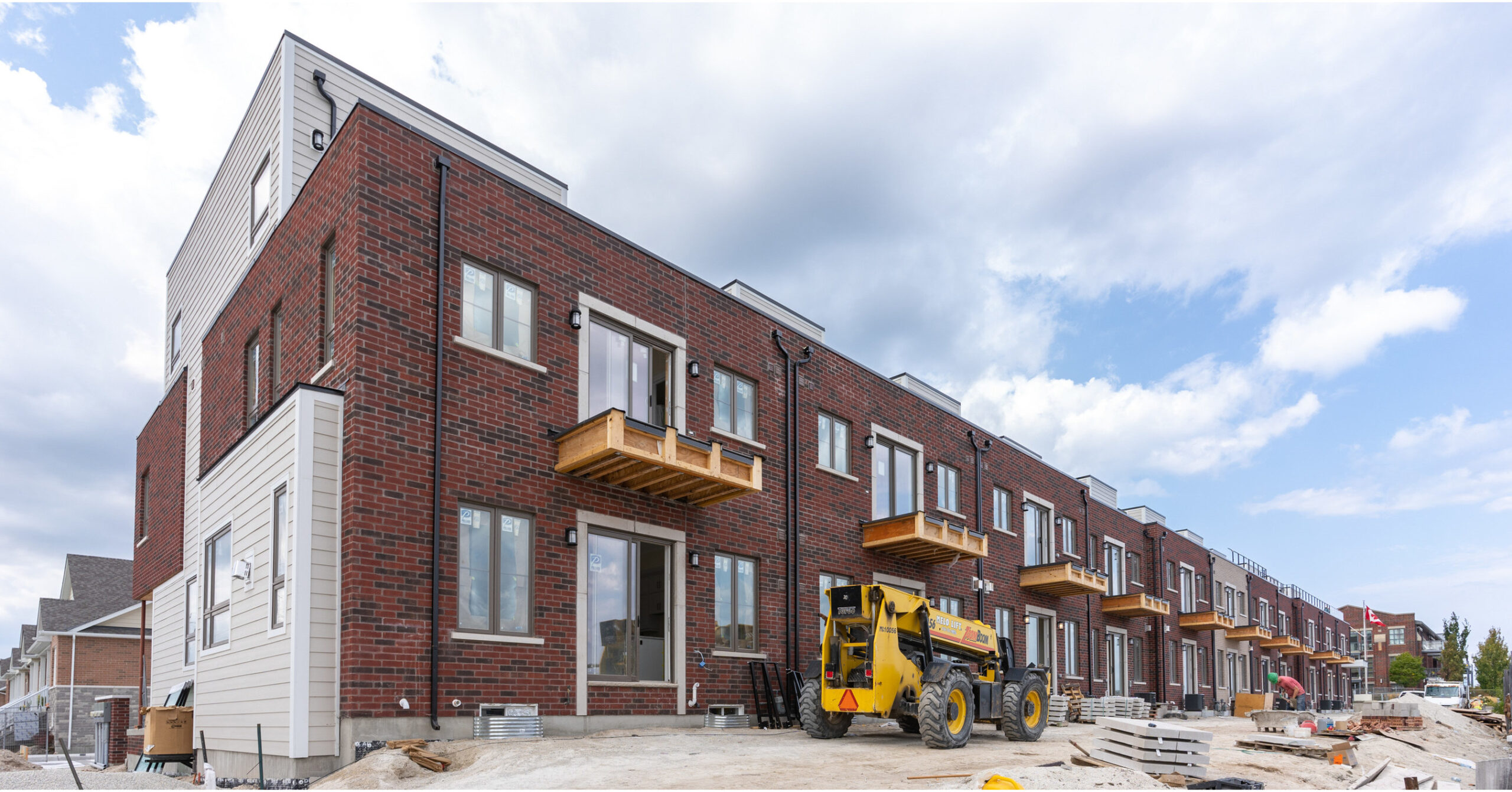
    Énergir, Québec's leading natural gas distributor, collaborated with SolidCAD to transition from MicroStation DGN to AutoCAD DWG, enhancing data accuracy, field safety, and interdepartmental collaboration.[...]

    Procepack

    PROCEPACK is a firm specializing in the purchase and sale of packaging and process equipment. They serve customers from a wide range of industries from food and cosmetics to pharmaceuticals. They leverage their vast and…
    Modern subway station platform with transparent platform screen doors and a blue and white train in motion behind them. The scene includes safety features like tactile paving and sleek, automated barrier gates, emphasizing urban transit infrastructure and safety.

    Société de Transport de Montréal (STM)

    Public transportation – buses, trains, subways, and more – have a wide range of complex assets that are both mobile and stationary. Upgrades, expansions, and new assets become intricate engineering projects involving a broad array of[...]

    Region of Waterloo: Building the Future on a Strong Digital Foundation

    Case Study

    Success Story: Region of Waterloo

    From River Town to Innovation Hub  

    Waterloo grew from quiet mill towns along the Grand River into one of Canada’s most inventive regions. Over the past thirty years, farms and factories gave way to research parks, startups, and new neighbourhoods. Roads stretched outward, plants expanded to deliver safe water, and transit corridors redefined how people move. 

    Growth has brought opportunity—and pressure. To sustain that momentum, the Region needed infrastructure planning that was just as innovative as its economy. For fifteen years, SolidCAD has worked beside the Region, guiding its digital adoption and giving every stakeholder a clearer path from design to delivery.

    The Challenge: Outdated Systems Holding Back Modern Growth 

    Before adopting Autodesk Construction Cloud (ACC), the Region’s Design and Construction Division wrestled with the same problem faced by many public organizations: disconnected teams and data silos. 

    “Everything was meant to come through the Design and Construction Division,” recalls Malcolm Lister,  Technical Services Manager. “But it wasn’t always happening consistently. Other divisions couldn’t always see what was happening—each group was closed off from the others.” 

    Drawings and tenders moved through endless emails, FTP links, and duplicated folders. “I hate to say it,” Lister adds, “but there probably was no single point of truth at that time.” When the pandemic arrived, VPN limits and remote connectivity made collaboration nearly impossible. 

    The Turning Point: Remote Work Became the Catalyst for Change 

    COVID-19 accelerated digital transformation across every sector. For the Region of Waterloo, it became the moment to replace patchwork systems with something unified and resilient. 

    “Once everyone started working from home, VPNs just couldn’t handle the load,” says Lister. “Our designers were spending more time troubleshooting than actually working. It was time to find something better.” 

    When Autodesk introduced a Canadian data region, IT gave the green light. “That was huge for us,” he explains. “It wasn’t legislated, but our IT group was much happier knowing our data would stay in Canada.” 

    ACC arrived at the perfect time—secure, browser-based, and easy to use. “It had the tools we needed, was secure enough, and simpler than our VPN setup,” says Lister. “Once we tried it, it just fit perfectly.” 

    With SolidCAD’s guidance, the Region implemented ACC strategically—standardizing folder structures, permissions, and review workflows across departments. The result was one platform that will eventualy unite separtate divisions Water Services, Transportation, and Waste Management under a shared digital roof. 

    The Solution: One Platform, One Region 

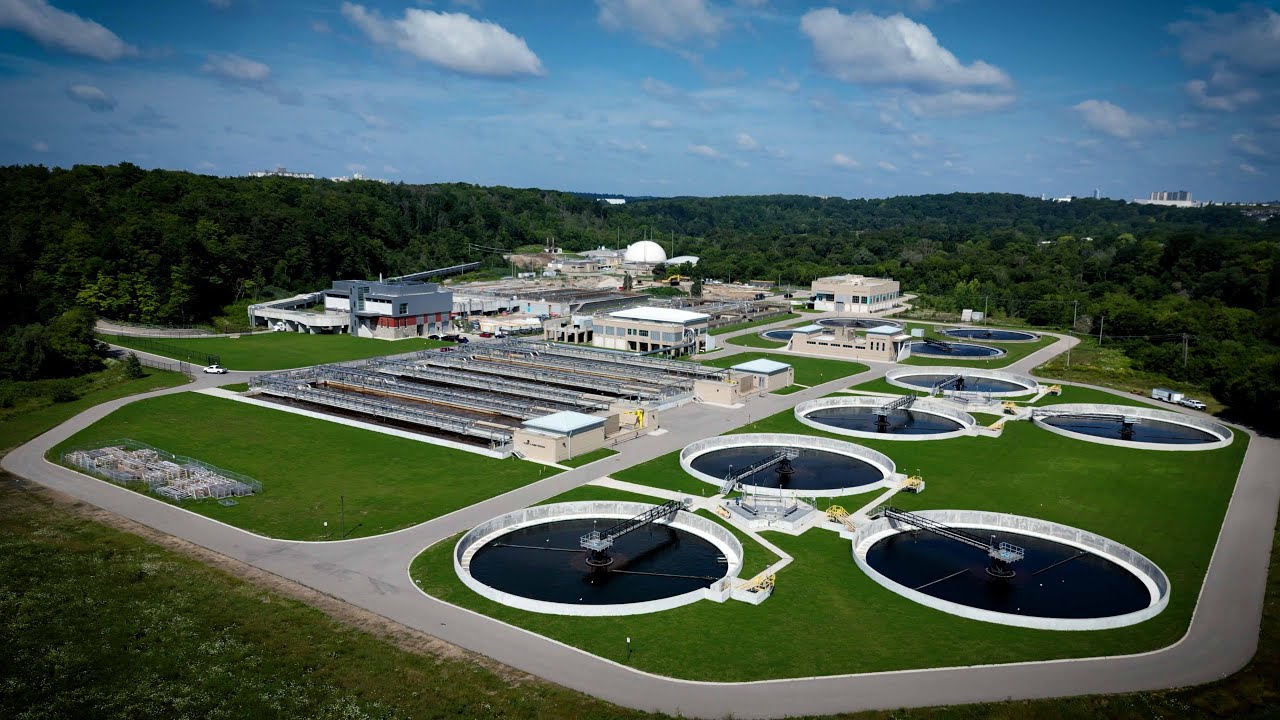
    Today, ACC anchors the Region’s most critical infrastructure projects—from road rehabilitation and intersection upgrades to water and wastewater treatment facilities. 

    “The key is consistency,” says Lister. “People now know exactly where to find the drawings or PDFs they need. Permissions are controlled, and we can ensure everyone sees the latest version.” 

    What began as an internal collaboration tool quickly evolved into a shared project environment connecting regional staff, and consultants. “Each time somebody sees it,” he adds, “the enthusiasm grows. It’s probably the most enthusiastic software adoption I’ve ever seen.” 

    The Results: Clarity, Accountability, and Time Saved 

    The impact was immediate. Version control issues disappeared. Every markup, comment, and revision now lives in one secure, auditable space. 

    IT workloads dropped after on-premise servers will retired. Email attachment volume plummeted. Teams review, comment, and approve faster—whether in the office, at home, or on-site. 

    “We used to rely entirely on consultants to send us final files,” says Lister. “We hope that in the future  we can see progress in real time and even catch issues earlier. Collaboration should go from task to reflex.” 

    Metrics and Outcomes 

    • 70 Autodesk Construction Cloud licenses deployed across divisions 
    • 100% of in-house projects now managed in ACC 
    • Review turnaround times improved by 40% 
    • Zero server dependency → reduced IT maintenance 
    • Full data residency in Canada 
    • Dozens of active transportation and water projects centralized 


    The Human Shift: From Hesitation to Habit 

    The cultural shift has been even more transformative than the technology. 

    “I think the real success is the fact that there’s no resistance,” says Lister. “It’s changed very quickly from ‘Oh, this is something new I have to learn’ to ‘Why isn’t that project in ACC yet?’” 

    Consultants have been equally quick to embrace the change. “At first, we were just using it to review submissions. Then the consultants said, ‘Can we have access too or we already use that?’ It’s taken off faster than I ever anticipated.” 


    What’s Next for Waterloo (Region & City Partners) 

    Guided by lessons from the rollout, Waterloo’s next phase focuses on deeper, day-to-day collaboration across internal teams and external partners—benefiting both the Region of Waterloo and municipal partners such as the City of Kitchener

    • Continuous collaboration with consultants
      “I want a much closer tie between consultant staff and Region staff,” says Lister. Rather than waiting for milestone drops (30/60/90/IFC), teams will share work-in-progress more frequently—catching issues earlier and reducing rework. 
    • Shared environments and account bridging
      The Region aims to bring consultants into the Region’s ACC environment (or bridge accounts) for common folder structures, permissions, and standards. “If everyone can work together in real time, it eliminates confusion and keeps projects moving efficiently.” 
    • Expansion to operating divisions
      Next up: broader onboarding for operating groups beyond design reviewers. “Reviewers tend to be enthusiastic already,” Lister notes. “The priority is helping management and operations see how easy reviews and approvals become when everything’s in one place.” 
    • Show, don’t tell: executive demos over long business cases
      Rather than spreadsheets, leadership will see hands-on demos: where to find files, how to markup, how approvals track—so benefits are obvious. “It’s more about showing how we’re using it than the nuts and bolts of the numbers.” 
    • Practical KPIs that matter to cities
      Early wins include faster pavement markings and traffic sign approvals. With visible markups and tracked versions, Transportation decisions tighten up: “We can follow changes much closer and get it right—if not the first time, then the second or third.” 
    • Targeted cost and schedule gains
      By reviewing continuously, municipal partners expect fewer redesign loops and cleaner coordination, particularly on environmental projects (water/wastewater facilities) managed by consultants. “Better collaboration should mean less rework,” Lister says. 

    Together, these steps set up a unified review-and-approval rhythm that municipalities like the Regionof Waterloo can plug into—standard tools, shared context, and faster decisions. 


     SolidCAD: A 15-Year Partner in Waterloo’s Transformation 

    For over fifteen years, SolidCAD has helped the Region modernize how it designs, builds, and collaborates—from early training and custom workflows to full-scale cloud transformation. 

    “I’ve stayed with SolidCAD all these years because the service is what’s needed—and the price is right,” says Lister. “They’ve always been there when we needed them.” 

    Waterloo has always been a place that builds what it imagines. With Autodesk Construction Cloud as its foundation and SolidCAD as its long-term guide, the Region continues to turn innovation into lasting infrastructure. 

    Similar Projects

    Énergir
    Énergir, Québec's leading natural gas distributor, collaborated with SolidCAD to transition from MicroStation DGN to AutoCAD DWG, enhancing data accuracy, field safety, and interdepartmental collaboration.[...]

    Procepack

    PROCEPACK is a firm specializing in the purchase and sale of packaging and process equipment. They serve customers from a wide range of industries from food and cosmetics to pharmaceuticals. They leverage their vast and…
    Modern subway station platform with transparent platform screen doors and a blue and white train in motion behind them. The scene includes safety features like tactile paving and sleek, automated barrier gates, emphasizing urban transit infrastructure and safety.

    Société de Transport de Montréal (STM)

    Public transportation – buses, trains, subways, and more – have a wide range of complex assets that are both mobile and stationary. Upgrades, expansions, and new assets become intricate engineering projects involving a broad array of[...]

    Modernize Your Water Infrastructure

    Current Offers and Promotions

    Modernize Your Water Infrastructure Today

    Exclusive Transition Options for Canadian Municipalities.
    Whether you’re still on legacy Innovyze or haven’t adopted Autodesk water tools yet, SolidCAD can outline exclusive transition options for municipalities.

    Exclusive Transition Options for Canadian Municipalities

    Canadian municipalities face mounting water infrastructure challenges. Aging networks are driving service interruptions and escalating repair costs. Climate change brings more frequent, intense storm events and stricter CSO compliance requirements. Reliance on siloed or paper-based asset data keeps inspections reactive rather than proactive. Meanwhile, communities demand greater transparency, sustainability, and accountability. 

    Relying on legacy Innovyze licenses — or operating without a modern system — is no longer enough to keep pace. 

    Wherever you’re starting from, SolidCAD can guide your path into Autodesk Water Infrastructure Solutions (AWI) — a complete portfolio for modeling, drainage, asset management, and real-time analytics. 


    Why Modernize Now

    • Unplanned outages & fire-flow risks → Citizens lose trust when service is disrupted. InfoWater Pro helps you model distribution systems inside ArcGIS Pro to plan pressure, fire-flow, and resilience. 
    • Reactive maintenance & siloed records → Paper binders and disconnected data lead to slow inspections and costly fixes. InfoAsset Manager centralizes asset data, supports mobile inspections (even offline), and prioritizes work based on risk. 
    • Flooding & climate resilience → Storm intensity and CSO regulations demand advanced tools. InfoWorks ICM integrates 1D/2D catchment modeling, scenario planning, and cloud scalability. 
    • Slow drainage design & compliance challenges → Manual processes create costly delays. InfoDrainage streamlines SuDS/LID design and generates compliance-ready reports. 
    • Lack of operational foresight → Without predictive insights, municipalities are stuck in firefighting mode. Info360 Insight & Asset deliver cloud-based monitoring, predictive analytics, and defensible capital planning. 

    The Autodesk Water Infrastructure Ecosystem (AWI)

    AWI provides a complete lifecycle solution for water, wastewater, and stormwater management: 

    • InfoWater Pro — ArcGIS Pro–native hydraulic and water quality modeling to ensure reliable service, pressure, and fire-flow readiness. 
    • InfoWorks ICM — Integrated 1D/2D stormwater and wastewater modeling with scenario testing and cloud scalability. 
    • InfoAsset Manager — Centralized asset management with mobile/offline inspections and risk-based prioritization. 
    • InfoDrainage — Faster stormwater/SuDS design and automated compliance-ready reports. 

    Yesterday’s Approach vs. Today’s Solutions

    Challenge Area Yesterday’s Approach Autodesk Water Infrastructure Solutions (AWI) 
    Service Reliability  Outages, uncertain fire-flow, siloed or manual models.  InfoWater Pro delivers ArcGIS Pro–native modeling for reliable distribution and fire-flow planning. 
    Asset Management  Spreadsheets, paper inspections, reactive fixes.  InfoAsset Manager centralizes data, enables mobile inspections, and prioritizes rehabilitation by risk. 
    Flood & Compliance  Limited modeling; reactive responses to climate and CSO events.  InfoWorks ICM integrates advanced storm/wastewater modeling with scenarios and compliance reporting. 
    Drainage Design  Manual stormwater/SuDS design, slow approvals.  InfoDrainage automates design workflows and compliance reporting. 
    Operations & Monitoring  Little to no real-time insight; reactive management.  Info360 Insight & Asset provide live monitoring, predictive analytics, and cloud intelligence. 
    Supporting You Beyond The Switch

    FOCUSED USER TRAINING
    Equip your team with the skills they need to thrive. Our tailored training sessions empower users to fully leverage the enhanced features, productivity tools, and updated interface of the latest Autodesk software—reducing the learning curve and accelerating adoption.

    Learn More >>

    SOLIDASSIST TECHNICAL SUPPORT
    Gain peace of mind with ongoing, Canada-wide technical support from SolidCAD’s bilingual, Autodesk-certified experts. Whether it’s troubleshooting a software issue, resolving deployment hiccups, or answering user questions, we’re here to help—in English and French, when and where you need us.

    Learn More >>

    CAD ↔ GIS INTEGRATION SUPPORT
    Don’t let data silos hold you back. Our FME-certified integration specialists ensure your CAD and GIS systems remain connected and optimized after your upgrade—preserving automated workflows, spatial data accuracy, and interoperability between platforms.

    Learn More >>

    CAD to PLM/PDM

    CAD ↔ PDM/PLM INTEGRATION SUPPORT
    Avoid workflow disruptions during your upgrade. Our experts ensure that your CAD data remains seamlessly integrated with Vault, PLM, or ERP systems—preserving revision control, BOM accuracy, and downstream automation. Whether you’re syncing assemblies, managing lifecycle states, or automating release processes, we help keep your data flowing smoothly.

    Learn More >>

    DEDICATED PROJECT MANAGEMENT
    Every Upgrade & Empower engagement includes a dedicated SolidCAD Project Manager who oversees planning, communication, and delivery—keeping your project on track, mitigating risk, and ensuring a seamless transition from start to finish.

    Why Plan Ahead with SolidCAD?

    As Autodesk’s Platinum Partner in Canada, SolidCAD helps municipalities move from outdated or missing tools into a future-ready environment. Our team ensures your investment pays off — with implementation, integration, and training designed for real-world municipal workflows. 

    SolidCAD can outline exclusive transition options for municipalities still on legacy Innovyze or starting fresh with AWI. We’ll review your current tools, identify the gaps, and map a path that fits your priorities, timelines and budget. 
    Contact Us today >>>

    Contact Us:

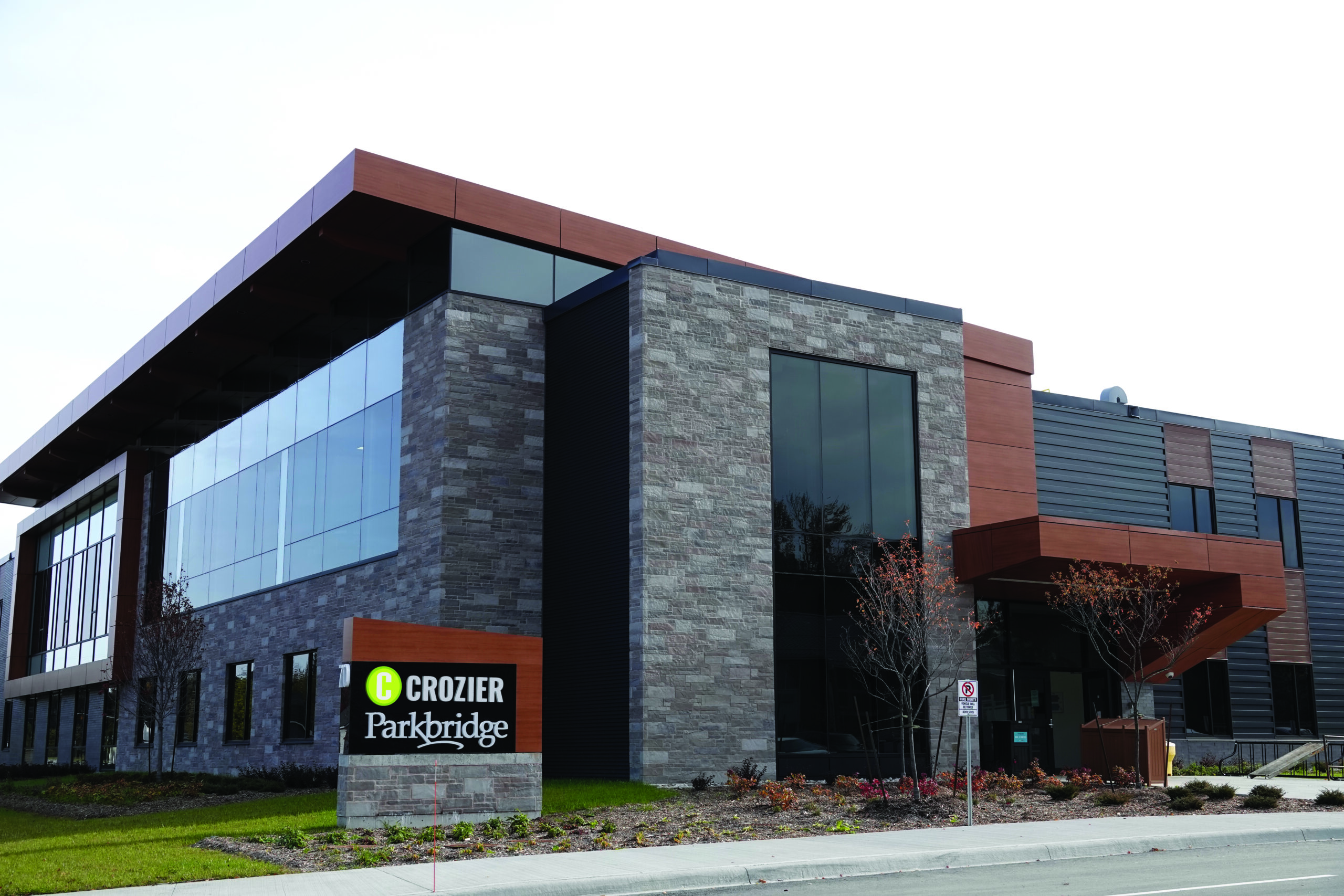
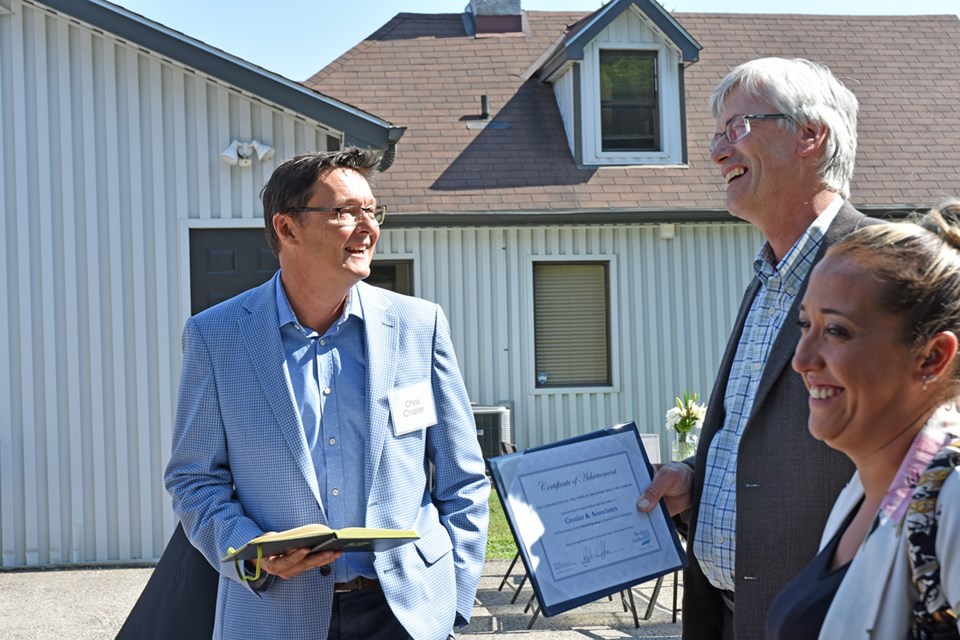
    Crozier & Associates Inc. Success Story

    Case Study

    Success Story: Crozier & Associates Inc.

    The Rhythm of Engineering

    There is a certain music in engineering. Not measured in notes, but in the rhythm of process: workflows aligned, approvals moving forward without delay, teams working in time with one another.

    For Crozier: Consulting Engineers (Crozier), that rhythm has always mattered. The necessity and desire to embrace innovation and collaboration has been a fundamental part of their leadership ethos. That same forward-thinking mindset is also why Crozier was recently named one of Canada’s Top Growing Companies for the third year in a row, standing out against more than 400 organizations nationwide.

    Behind that recognition lies more than growth for its own sake. As Crozier’s footprint expands across Ontario and into new markets, the complexity of projects, clients, and regulatory environments continues to increase. To meet these demands without sacrificing quality or speed, the firm has made digital transformation a strategic priority. By adopting Building Information Modeling (BIM) and cloud-based collaboration through Autodesk Construction Cloud, Crozier has redefined how its teams design, coordinate, and deliver work.

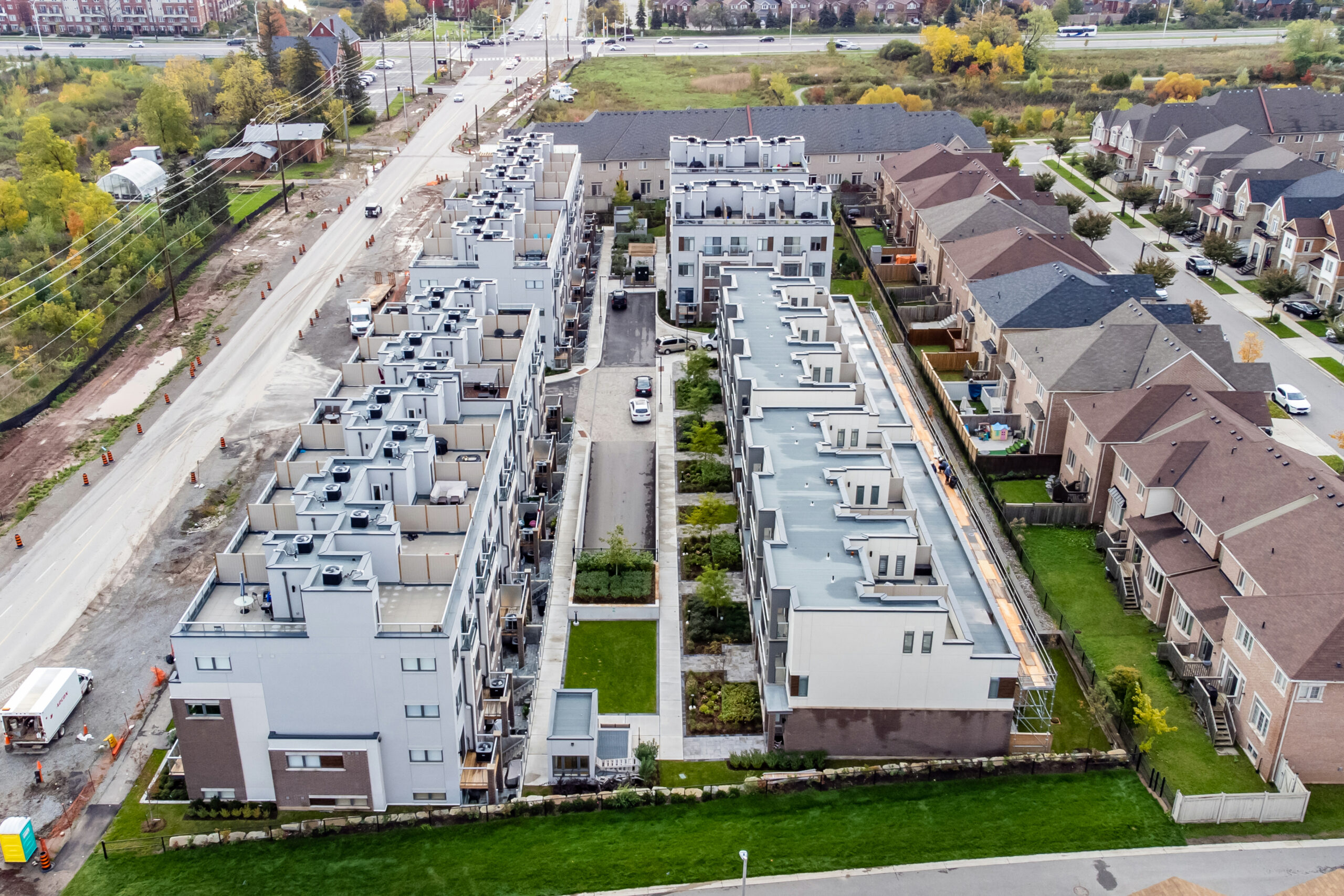
    Every office, whether in Toronto, Collingwood, Milton, Bradford, or Guelph, now operates from a shared digital environment. Drawings, models, and data flow seamlessly between disciplines, enabling real-time coordination. What once required manual effort and repeated revisions is now streamlined, traceable, and transparent. This foundation has allowed Crozier to scale confidently, take on larger and more complex land development and infrastructure portfolios, and extend its reach into new regions while maintaining a harmonious consistency and precision that define its work.

    In short, Crozier’s expansion is not just supported by technology; it is powered by it. The adoption of BIM has become the quiet rhythm behind their continued growth, the pulse that keeps every project, every office, and every team moving in time.

    BIM in Civil Infrastructure Frameworks: Why now?

    Building Information Modeling (BIM) has long been embraced by engineers, architects and construction firms to improve collaboration and provide one source of truth. Now civil infrastructure is adopting BIM as well, streamlining and optimizing how projects are delivered. Through their strong focus on Autodesk Civil 3D, Crozier knew it was time to expand their expertise and knowledge by learning more of other Autodesk technology such as Revit, Autodesk Construction Cloud and specifically BIM Collaborate Pro to further refine their workflows and collaboration to such a degree that they could confidently take on more projects with the same team—setting the stage for their BIM evolution.

    Crozier is a leading example of this shift. By moving to a collaborative BIM framework, the firm has given their engineers and designers across the province the ability to work in perfect synchronization. Data is no longer trapped in silos, and teams have the same version-controlled information whether they are in the office or in the field.

    “It doesn’t matter whether you are in the office or remote, you get the same performance. Everything is centralized, version-controlled, and accessible to the whole team. It is faster, more reliable, and eliminates silos.”
    – Derek Gauer, Senior Designer

    This transformation has given Crozier the ability to scale project delivery, ensuring the same resources can manage greater volume and complexity. The why is clear: stronger collaboration and the ability to expand into new markets while maintaining quality.

    The Leap: Crozier’s Attitude Toward Innovation

    Crozier didn’t wait for the industry to catch up; they led with confidence. With an attitude rooted in curiosity and efficiency, they have consistently sought out new ways of working that promote innovation and productivity.

    This mindset has also driven deeper mastery of Autodesk Civil 3D, but also looking to adopt other technology like Autodesk Revit, and ACC’s BIM Collaborate Pro which has become a launchpad for growth into new geographies and services. The firm sees BIM not only as a compliance or coordination tool, but as a competitive differentiator—one that allows them to take on more work with greater confidence.


    Business Impact of Implementation & Integration

    The measurable benefits of Crozier’s migration to BIM and ACC include:

    • Increased capacity: More projects managed without growing resource pool.
    • Efficient collaboration: Multi-office teams sharing a single source of truth.
    • Digitized delivery: Faster reviews and fewer bottlenecks.
    • Reduced risk: Automated version control, fewer conflicts, and peace of mind.
    • Time savings: Hours recovered each week by eliminating redundancies.

    “Automated version control has been one of the biggest wins. Before, we relied on people to follow procedures. Now it happens automatically, secure, backed up, and easy to trace. That gives our teams huge peace of mind.”
    – Derek Gauer, Senior Designer

    A Dual Path of Innovation: AI and Cloud Technology

    Internal R&D in AI

    Crozier’s independent AI exploration is focused on land development and water management, where predictive modeling and machine learning are reshaping how communities plan for sustainable growth.

    Partnering with SolidCAD

    For more than a decade, SolidCAD has stood beside Crozier as a trusted partner in innovation. What began with early guidance in Autodesk Civil 3D has evolved into a long-term collaboration focused on digital transformation and smarter project delivery. Through hands-on support, training, and implementation, SolidCAD has helped Crozier turn technology into an enabler of growth, ensuring that every new system adopted strengthens the firm’s rhythm of coordination and excellence.

    Looking Ahead: A Call to the Industry

    Crozier’s journey demonstrates what is possible when culture and technology align. But their success also highlights a reality: more companies in the civil engineering space need to start thinking seriously about their BIM strategy.

    Without it, firms risk inefficiency, and limited scalability—while competitors move ahead with digitized delivery, predictive analytics, and seamless collaboration.
    Crozier’s recognition as a top Canadian growth company is not just an accolade—it is proof that innovation pays. The firms that embrace integration, invest in cloud-based BIM, and explore AI are the ones best positioned to thrive.

    Read more about how SolidCAD’s solutions can support your BIM strategy →

    The Music of Process

    The story returns to its rhythm. At Crozier, the music of engineering is not only intact, it is amplified. Their willingness to adopt, experiment, and implement smarter processes has created a new harmony: faster, smarter, and more collaborative delivery.

    What once required more effort now flows more smoothly. What once relied on fragmented systems now plays in concert. Crozier and SolidCAD have shown that when technology and culture align, the result is not just efficiency, but transformation.

    And in that transformation lies the why: because in today’s industry, the firms that innovate are the ones that thrive.

    Crozier press release – Top Growing Companies 2025 (Globe and Mail ranking):
    https://www.cfcrozier.ca/crozier-named-one-of-canadas-top-growing-companies-for-third-consecutive-year/

    Autodesk – Benefits of BIM (efficiency, cost savings, collaboration):
    https://www.autodesk.com/solutions/aec/bim/benefits-of-bim/

    Revizto – Top 10 Benefits of BIM (errors, productivity, collaboration):
    https://revizto.com/en/top-benefits-of-bim/

    Desapex – How BIM Leads to Cost Savings and Increased Efficiency:
    https://www.desapex.com/blog-posts/how-bim-leads-to-cost-savings-and-increased-efficiency-in-construction

    Similar Projects

    Énergir
    Énergir, Québec's leading natural gas distributor, collaborated with SolidCAD to transition from MicroStation DGN to AutoCAD DWG, enhancing data accuracy, field safety, and interdepartmental collaboration.[...]

    Procepack

    PROCEPACK is a firm specializing in the purchase and sale of packaging and process equipment. They serve customers from a wide range of industries from food and cosmetics to pharmaceuticals. They leverage their vast and…
    Modern subway station platform with transparent platform screen doors and a blue and white train in motion behind them. The scene includes safety features like tactile paving and sleek, automated barrier gates, emphasizing urban transit infrastructure and safety.

    Société de Transport de Montréal (STM)

    Public transportation – buses, trains, subways, and more – have a wide range of complex assets that are both mobile and stationary. Upgrades, expansions, and new assets become intricate engineering projects involving a broad array of[...]

    Plasman Success Story

    Case Study

    Success Story: Plasman Windsor Tooling

    C.F Crozier

    From Skilled Hands to Scalable Processes

    For years, Plasman’s CAM programming success was driven by the experience of its people. Skilled programmers relied on tribal knowledge, using workarounds, manual sketches, and years of intuition to deliver quality results. While this worked, it created real risks: processes were inconsistent, knowledge wasn’t documented, and scaling production meant scaling stress.

    As demand grew, leadership recognized the need to move from craftsmanship built on memory to repeatable excellence powered by automation. The vision was clear: eliminate repetitive tasks, reduce errors, and empower the programming team to focus on innovation rather than firefighting.

    A Collaborative Turning Point 

    Plasman engaged SolidCAD to explore options for streamlining workflows. A live OptiNC demonstration became the catalyst, showing the team—in real time—how automation could remove repetitive bottlenecks, standardize processes, and ensure reliable, predictable outcomes. 

    From there, SolidCAD partnered closely with Plasman through a phased rollout: 

    • 3-Day Onboarding: Training programmers on OptiNC’s core functionalities, 2D/3D features, and live template creation. 
    • 8-Week Structured Implementation: Weekly collaboration sessions addressing roadblocks, documenting progress, and tailoring automation to Plasman’s unique needs. 
    • Proactive Communication: Detailed session recaps and next steps that kept both teams aligned and momentum strong. 

    This wasn’t just software adoption—it was process transformation, anchored by collaboration and trust. 

    SolidCAD didn’t just sell us software—they became an extension of our team. They understood our challenges, guided us through every step, and made sure the solution fit our real-world process. It felt like a true partnership, not a transaction.” 

    Measurable Business Outcomes

    Nine months later, the results speak for themselves:

    • 70% reduction in programming time through automated strategies.
    • 16 hours freed up per week for value-added work.
    • 25% increase in machine output without additional headcount.
    • Higher first-pass yield and standardized, predictable outcomes.

    What was once dependent on a handful of experts is now a scalable, repeatable process that supports Plasman’s long-term growth.

    Looking Ahead

    Plasman started with two OptiNC licenses, expanded into structured implementation, and has since grown its footprint with a third seat to support new machines.

    A Scalable Foundation for the Future

    “This change didn’t just improve our day-to-day operations. By standardizing our process and leveraging automation, we now have a system that can grow with our business.”

    A Blueprint for Manufacturers

    Plasman’s journey will feel familiar to many manufacturers balancing expertise and efficiency. The lesson is clear: scaling up is not about working harder, but working smarter. Investing in people, process, and technology builds resilience that lasts.

    Partnership and Trust

    “SolidCAD didn’t just sell us software. They became an extension of our team. They understood our challenges, guided us through every step, and made sure the solution fit our real-world process. It felt like a true partnership, not a transaction.”

    Similar Projects

    Énergir
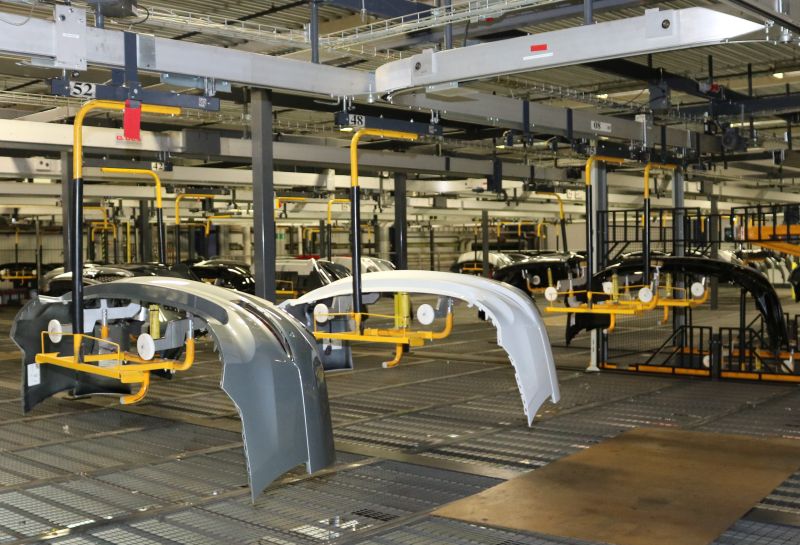
    Énergir, Québec's leading natural gas distributor, collaborated with SolidCAD to transition from MicroStation DGN to AutoCAD DWG, enhancing data accuracy, field safety, and interdepartmental collaboration.[...]

    Procepack

    PROCEPACK is a firm specializing in the purchase and sale of packaging and process equipment. They serve customers from a wide range of industries from food and cosmetics to pharmaceuticals. They leverage their vast and…

    Modern subway station platform with transparent platform screen doors and a blue and white train in motion behind them. The scene includes safety features like tactile paving and sleek, automated barrier gates, emphasizing urban transit infrastructure and safety.

    Société de Transport de Montréal (STM)

    Public transportation – buses, trains, subways, and more – have a wide range of complex assets that are both mobile and stationary. Upgrades, expansions, and new assets become intricate engineering projects involving a broad array of[...]

    Built to Scale: How Greenlane Reinvented Its Operations for Sustainable Expansion

    Case Study

    Built to Scale: How Greenlane Reinvented Its Operations for Sustainable Expansion

    An Energy Transition Leader at an Inflection Point

    As a pioneer and leading specialist in biogas desulfurization and upgrading, Greenlane Renewables has been actively contributing to the decarbonization of our planet for over 35 years with more than 355 systems supplied into 28 countries.  Their systems transform biogas generated from organic waste into high-value low-carbon grid-ready renewable natural gas (“RNG”) from a wide range of sources such as landfills, sugar mills, dairy farms, wastewater, and food waste. But as climate urgency accelerated and global demand surged, Greenlane faced a familiar challenge for high-growth innovators:

    How do you scale complex engineering operations without compromising quality, innovation, or sustainability?

    Greenlane was expanding fast, deploying biogas upgrading systems internationally. But behind the scenes, the company’s legacy Engineer-to-Order (ETO) model was slowing progress.

    “We had the technology and the market. But our internal systems hadn’t kept pace. If we wanted to scale without compromising quality, something had to change.”

    – Duran Cheung, Director of Engineering Services, Greenlane Renewables

    The Growing Pains of a Custom Engineering Model

    Greenlane’s engineering team had long been known for its adaptability and custom project delivery. However, the Engineer-to-Order (ETO) model led to duplicated efforts, documentation that was challenging to track, and siloed systems that made it difficult to scale.

    “At one point, we had 50+ copies of the same document floating around. It wasn’t just inefficient—it made it harder to innovate. We needed a better way to manage product data and eliminate unnecessary work.”
    Duran Cheung

    Key Challenges holding them Back

    Behind Greenlane’s reputation for innovation was a set of growing operational challenges. Teams were working from disconnected systems, and critical information was often slow to communicate and required manual operations. Collaboration between engineering and procurement lacked structure, and reusing past work often meant starting from scratch.

    There was no single place to track a part’s full lifecycle—and as the company scaled, so did the complexity of its compliance and reporting needs. Better traceability was required. The opportunities for improvement were becoming impossible to ignore.

    The Shift: From Custom Chaos to Configured Clarity

    Instead of hiring more engineers, Greenlane made a strategic decision: transform their business model from ETO to Configure-to-Order (CTO). This shift would require new systems, tighter workflows, and a single digital thread from design to delivery.

    They partnered with SolidCAD to lead the transformation.

    “We weren’t just adding software. We were rethinking how we work as an organization. SolidCAD brought the knowledge and their unique support to help us do it right.”
    Duran Cheung

    The Solution: Fusion Manage + SolidCAD Expertise

    SolidCAD helped Greenlane implement Autodesk Fusion Manage, configuring the cloud-based PLM platform to meet the company’s unique needs as a cleantech solutions provider. Workspaces were created for Engineering, Supplier Management, and Quality, standardizing everything from part creation to BOM lifecycles.

    To amplify impact, SolidCAD also integrated Fusion Manage with NetSuite ERP using the Nexus connector, ensuring seamless and instantaneous data handoffs from engineering to procurement.

    “Now, when an item is approved in PLM, it flows into ERP automatically—with part numbers, supplier, and documentation data included. That kind of automation didn’t exist before.”
    Duran Cheung Continue reading “Built to Scale: How Greenlane Reinvented Its Operations for Sustainable Expansion”

    SolidCAD Announces Acquisition by Symetri, Part of Addnode Group

    SolidCAD Announces Acquisition by Symetri, Part of Addnode Group

    A Strategic Move to Enhance Global Expertise and Service for Autodesk and Bluebeam Clients across Canada

    Toronto, ON, October 7, 2025 – SolidCAD, a leading Canadian provider and consultant of technology solutions for the architecture, engineering, construction, and manufacturing sectors, is excited to announce that it has been acquired by Symetri, a global leader in digital solutions for industries that design, build and manufacture. SolidCAD has operated in Canada as a subsidiary within the Cansel Group of Companies.  This transaction marks Symetri’s entry into the Canadian market.

    Symetri is part of Addnode Group, an internationally recognized leader in digital transformation. Through this acquisition, SolidCAD joins Symetri’s global network of over 1,000 employees in 30 offices across Europe, the United States and Brazil, serving more than 25,000 customers.

    Symetri is an Autodesk Platinum Partner and its focus on innovation and sustainability aligns perfectly with SolidCAD’s mission: to simplify technology so people can work smarter, with greater clarity and confidence.

    Strategic Alignment with Autodesk and Bluebeam

    This marks a significant moment for SolidCAD, as the organization joins forces with Symetri to strengthen its alignment with Autodesk and Bluebeam. As SolidCAD operates as Bluebeam’s only Sapphire Partner and Autodesk’s largest Platinum Partner in Canada, they can combine expertise of both companies. Clients across Canada will benefit from an expanded portfolio of solutions, deeper industry knowledge, and enhanced support tailored to the evolving needs of design, manufacturing and construction professionals.

    Expanded Solutions: Naviate, Sovelia and CQ Products & Services

    As part of this transition, SolidCAD will introduce Symetri’s renowned Naviate, Sovelia and CQ products and services to the Canadian market. Naviate and Sovelia offers advanced productivity tools for Autodesk users, while CQ delivers comprehensive licence deployment and optimisation solutions. This addition broadens the range of innovative tools available to clients, helping organizations optimize workflows and achieve new levels of efficiency.

    Commitment to Clients and Employees

    SolidCAD, Symetri, and Addnode Group are united in their commitment to ensuring a seamless transition for all clients and employees. There will be no disruptions to ongoing projects, service agreements, or day-to-day operations. Clients can expect the same high level of expert consulting and support, while employees will continue to work within a collaborative and growth-focused environment. The integration aims to create new opportunities for professional development and knowledge sharing.

    Leadership Perspectives

    Marcus Tateishi, President, SolidCAD: “Joining Symetri and Addnode Group is a tremendous step forward for SolidCAD. Our clients will benefit from an expanded set of solutions and global expertise, while our team gains new opportunities to innovate and grow. We remain dedicated to delivering the best possible service and support.”

    Martin Trudelle, CEO of Cansel Group: “This acquisition represents a positive and strategic development for SolidCAD. As SolidCAD continues to grow, we see tremendous value in them joining an organization that truly understands their business units, their partners, and the broader CAD industry. With SolidCAD’s deep involvement in this space, we are confident that their clients will benefit from even stronger and more aligned support, empowering them to thrive in an ever-evolving technological landscape.”

    Jens Kollserud, CEO, Symetri: “We are delighted to welcome SolidCAD into the Symetri and Addnode Group team. Together, we will deliver even greater value to our clients, combining local expertise with global resources. Our shared vision focuses on innovation, sustainability, and empowering our customers to achieve their goals.”

    Looking Ahead

    SolidCAD’s acquisition by Symetri opens a new chapter of growth, collaboration, and innovation. Clients and partners can look forward to enhanced support, a broader range of solutions, and ongoing dedication to their success. For further information, please contact: marketing@solidcad.ca.

    Fort Capital Partners acted as the financial advisor to Cansel and SolidCAD in this transaction

    About Symetri

    Symetri creates and provides technology solutions and services for design, engineering, construction and manufacturing businesses. We empower people to work smarter for a better future by ensuring they have access to the expertise and technology they need to improve their performance and sustainability.

    Symetri was founded in Sweden in 1989 and has grown to a team of over 1000 people with offices throughout Sweden, Norway, Denmark, Finland, UK, Ireland, US and Brazil. Symetri is an Autodesk Platinum Partner, Autodesk Authorised Training Centre (ATC) and Autodesk Global Service Provider.

    Symetri is part of Addnode Group AB, whose B shares are listed on the Nasdaq Stockholm. Addnode Group offers business-critical IT solutions to selected markets in both the private and public sectors.

    For more information, visit: www.symetri.com.

    About Addnode Group

    Addnode Group acquires, operates, and develops cutting-edge enterprises that digitalize society. With 2,700 employees across 20 countries, Addnode Group is a leading global provider of software and services for design, construction, product data, and facility management.

    For more information, visit:  www.addnodegroup.com/

    SolidCAD Expands Portfolio with GoCanvas and SiteDocs, Delivering Safety and Compliance Innovation to Canadian Worksites

    TORONTO – September 22, 2025 – SolidCAD, a leading Canadian technology consulting firm, today announced a strategic portfolio expansion through partnerships with GoCanvas and SiteDocs, bringing advanced compliance, health, and safety management solutions to organizations across Canada.

    GoCanvas, part of the renowned Nemetschek Group parent company to technology brands like Bluebeam, empowers field teams to move beyond outdated paper-based processes with digital data capture, GPS tracking, and connected workflows. As Bluebeam’s only Sapphire Partner in Canada, SolidCAD is uniquely positioned to extend these solutions to current Bluebeam clients while also expanding into the broader health and safety space. Through GoCanvas offerings such as SiteDocs, SolidCAD can also deliver dedicated compliance solutions that support safety leaders and EHS professionals in building safer, audit-ready workplaces.

    Through this partnership, SolidCAD strengthens its ability to provide connected, integrated solutions that bridge design, data, and compliance. Bluebeam users will soon be able to seamlessly connect GoCanvas workflows with Bluebeam Revu, enabling teams to assign tasks, dispatch forms, track real-time status, and link submissions back to Revu markups for streamlined documentation.

    “Most of our clients in construction, utilities, and manufacturing are still relying on pen and paper for compliance and safety management,” said Marcus Tateishi, President at SolidCAD. “With GoCanvas and SiteDocs, we are delivering modern, digital solutions that not only improve compliance and support COR certification but also protect the health and safety of every worker in the field. Combined with Bluebeam, these tools give Canadian firms the technology ecosystem they’ve been asking for, while opening the door to serve the broader health and safety sector with purpose-built compliance technology.”

    SiteDocs, part of the GoCanvas portfolio, adds specialized safety compliance management capabilities, including digital safety forms, real-time dashboards, analytics, and audit-ready reporting. Its strong alignment with Canadian workplace standards makes it a natural fit for organizations that must meet COR certification and other compliance requirements.

    SolidCAD’s expanded offering will be further showcased at Bluebeam’s Unbound event in Washington, DC from September 30 to October 2, where attendees will get an exclusive look at the connection points between Bluebeam, GoCanvas, and SiteDocs, and the transformative impact these solutions can have on project delivery, compliance programs, and worker safety.

    “There’s been a lack of innovation in the compliance and safety space,” added Jon Coley, SVP, of Sales at GoCanvas. “By partnering with GoCanvas and SiteDocs, SolidCAD is filling that gap, bringing powerful technology solutions to the Canadian market and helping businesses transition away from manual, paper-driven processes.”

    To learn more about GoCanvas or SiteDocs, visit gocanvas.com and sitedocs.com


    About GoCanvas

    GoCanvas is a leading mobile and cloud-based platform that replaces outdated paper processes with digital forms and connected workflows. Designed for field teams across industries such as construction, utilities, and manufacturing, GoCanvas simplifies the way organizations capture, track, and share data. With features like GPS integration, image capture, signatures, and offline functionality, the platform delivers real-time visibility into field operations while improving accuracy and efficiency. Backed by the Nemetschek Group, GoCanvas empowers businesses to reduce risk, save time, and achieve stronger compliance through digital transformation.

    About SiteDocs

    SiteDocs, part of the GoCanvas portfolio, is an award-winning safety management software built to help organizations create safer, more compliant worksites. The platform digitizes critical health and safety processes—such as inspections, hazard assessments, and incident reports—while providing real-time dashboards and analytics for decision-makers. SiteDocs also supports certification tracking and audit-ready reporting, making it easier for companies to meet COR certification and other compliance standards. By replacing manual, paper-driven workflows with a modern digital solution, SiteDocs enables safety leaders to proactively manage risk and foster a stronger culture of safety across every jobsite.

    Autodesk Canada Data Residency: What It Means for AEC and Civil Projects

    Current Offers and Promotions

    Autodesk Canada Data Residency: What It Means for AEC and Civil Projects

    Canadian-hosted Autodesk Docs and BIM Collaborate Pro empower AEC and Civil teams to improve compliance, streamline collaboration, and build project confidence.

    Autodesk Docs and BIM Collaborate Pro hosted in Canada supporting AEC and Civil teams with secure cloud collaboration and data residency compliance.

    Autodesk Expands Cloud Hosting to Canada

    Autodesk has officially expanded its regional cloud offerings to Canada, enabling AEC and Civil professionals to store project data securely within Canadian borders.

    This update includes:

    • Autodesk Docs

    • Autodesk BIM Collaborate

    • Autodesk BIM Collaborate Pro (including Collaboration for Revit and Collaboration for Civil 3D)

    By offering Canadian-hosted data, Autodesk addresses a major barrier for firms that need to meet data residency, sovereignty, and compliance requirements.

    View Autodesk’s official announcement

    Why It Matters for AEC and Civil Projects

    • Compliance and Sovereignty: Easier alignment with government procurement rules and ISO 19650 standards.

    • Performance: Reduced latency and faster access to files for distributed Canadian teams.

    • Transparency: Audit trails, version control, and document traceability for both private and public projects.

    • Client Trust: Assurance that sensitive project data remains within Canada.

    SolidCAD’s Role in Supporting Canadian AEC Firms

    As an Autodesk Platinum Partner, SolidCAD is ready to help AEC and Civil firms make the most of this regional expansion by providing:

    • Cloud Readiness Assessments – Identify barriers to adoption, from IT restrictions to workflow gaps.

    • Implementation Services – Data migration, template setups, directory structures, and ISO 19650–aligned configuration.

    • Training and Support – From one-day Autodesk Docs training to advanced BIM coordination workshops.

    • Bilingual Enablement – English and French support for government and public-sector projects.

    Explore SolidCAD’s AEC and Civil Infrastructure Consulting Services.

    Frequently Asked Questions

    Is Autodesk Docs hosted in Canada?

    Yes. Autodesk Docs now supports Canadian-hosted data, ensuring organizations can meet data residency and compliance requirements.

    Does BIM Collaborate Pro support Canadian data residency?

    Yes. BIM Collaborate Pro, including Collaboration for Revit and Civil 3D, is supported in Canada.

    Why is Canadian data residency important for AEC firms?

    It ensures project data stays within Canadian borders, supporting compliance with government procurement, ISO 19650 standards, and client expectations.

    How does this benefit government and public-sector clients?

    Governments can ensure transparent, auditable project records and collaborate seamlessly with consultants and contractors.

    How can SolidCAD help?

    SolidCAD provides adoption planning, implementation, training, and bilingual support to help firms securely transition to Autodesk Docs and BIM Collaborate Pro.

    Looking Ahead

    This new Canadian data region marks a major milestone for the AEC industry in Canada. Firms and agencies can now collaborate more efficiently, ensure compliance, and confidently move their projects to the cloud — supported by SolidCAD’s expertise.

    Contact SolidCAD today to learn how Autodesk Docs and BIM Collaborate Pro can transform your AEC and Civil projects.

    Contact Us: